Aircraft Lease
Holiday Air can deliver transport category aircraft and executive jets for your use to almost anywhere in the world.



HOLIDAY AIR
Aircraft lease, airline charter, ACMI operations and aviation consulting.

Holiday Air is a company dedicated to the international aviation industry. We offer rental of aircraft for charter flights for passengers, cargo, and mail as ACMI or all-inclusive flights. We adapt to the needs of our clients to meet their needs. The flights may be booked as public charter flights regulated by the United States Department of Transportation.
Holiday Air can provide a team of industry professionals to manage and operate your operation worldwide.
Holiday Air can deliver transport category aircraft and executive jets for your use to almost anywhere in the world.
Holiday Air can arrange airline charter flights to almost any destination in the world on a contract basis.
Holiday Air will provide you with the Aircraft, Crew, Maintenance and Insurance for your use.
Holiday Air can analyze your proposed operation and provide recommendations in the type of Aircraft to use. We also manage the certification project.
Holiday Air can provide a team of industry professionals to manage and operate your operation worldwide.
Holiday Air primarily uses Boeing aircraft for cargo and passenger operations. We focus on providing value and quality to our customers, and the aircraft we provide meet all applicable airworthiness and certification standards.
Recently, Holiday Air has begun to provide services using executive jets for use in starting corporate flight departments or increasing fleet sizes of the same. We are also beginning to in the operation of next generation (NG) transport category aircraft for both passenger and cargo operations.
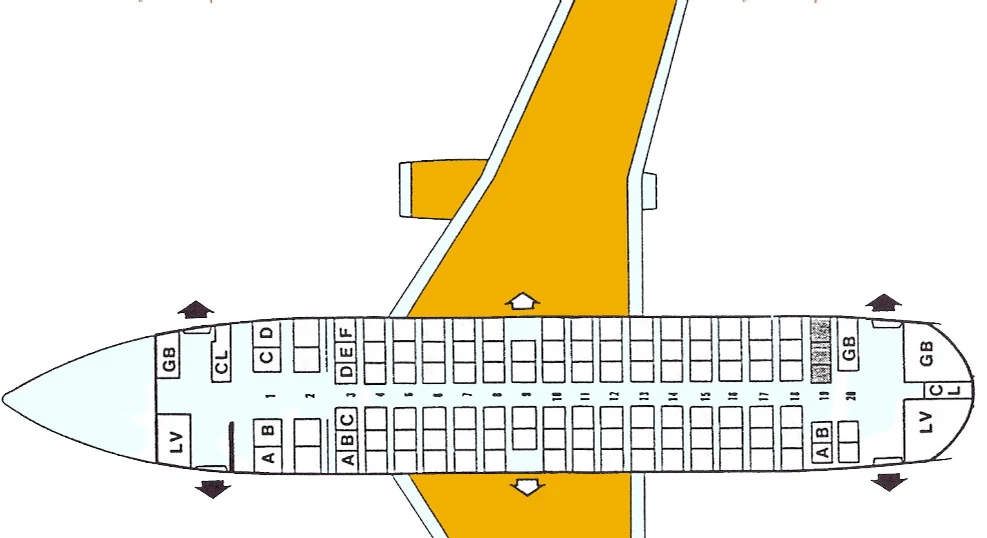
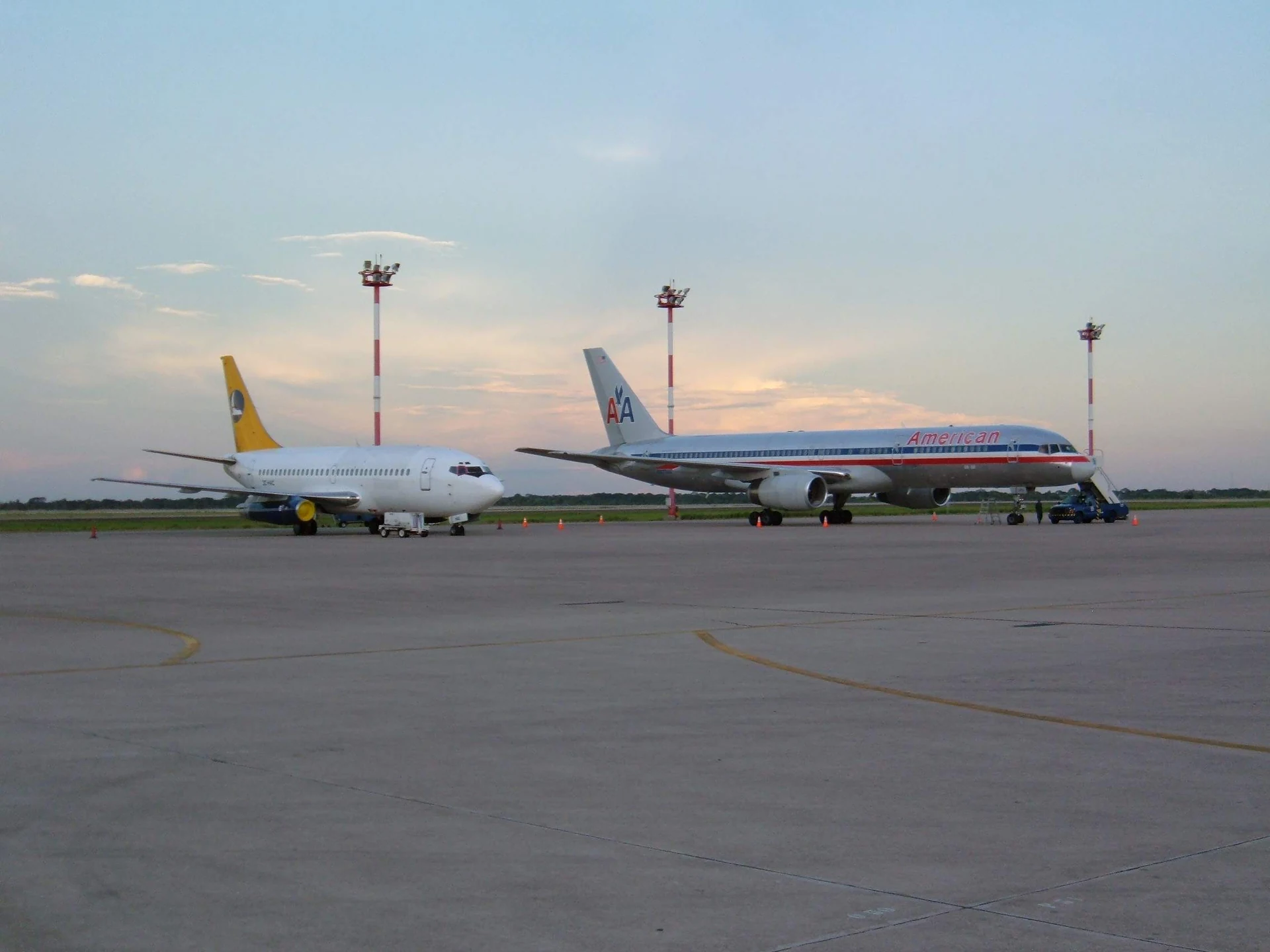
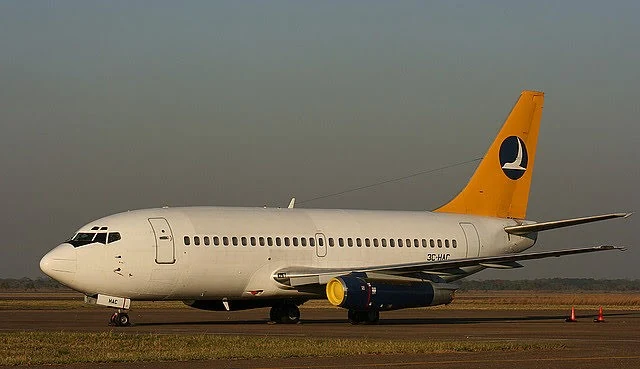
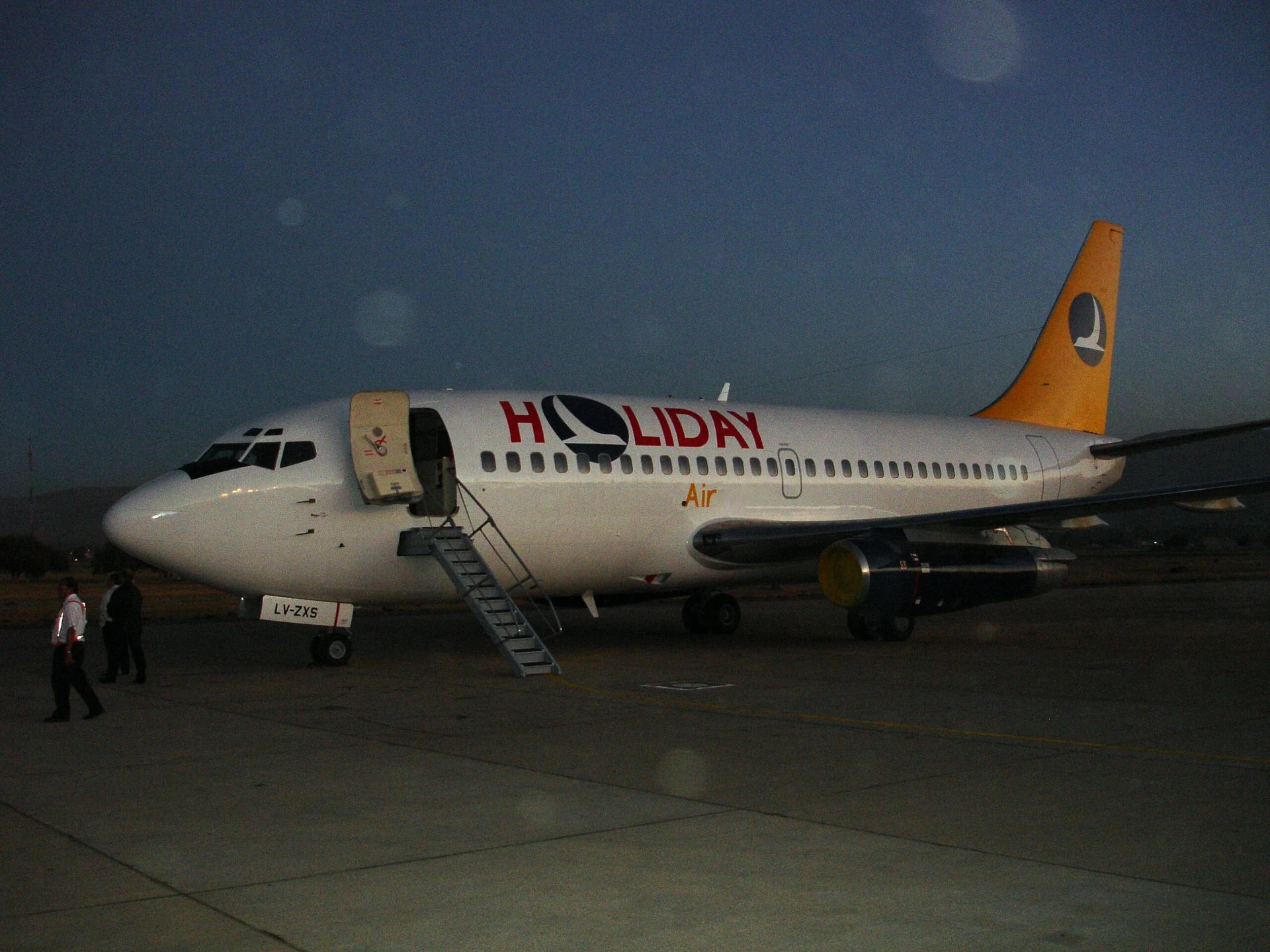
If you are interested in a particular model aircraft not found below, please contact us today, we can find any aircraft make, model for your use thanks to our many affiliates and business partners. click on the imagen below to acquire Aircraft Specifications, aircraft pictures, Aircraft Diagrams, and seating configurations for the selected aircraft. Please feel free to request more information by contacting us directly.
HOLIDAY AIR
+54 11 5273-4075
Call+506 4001-9419
CallReload the page to send another inquiry.
HOLIDAY AIR · Aircraft information

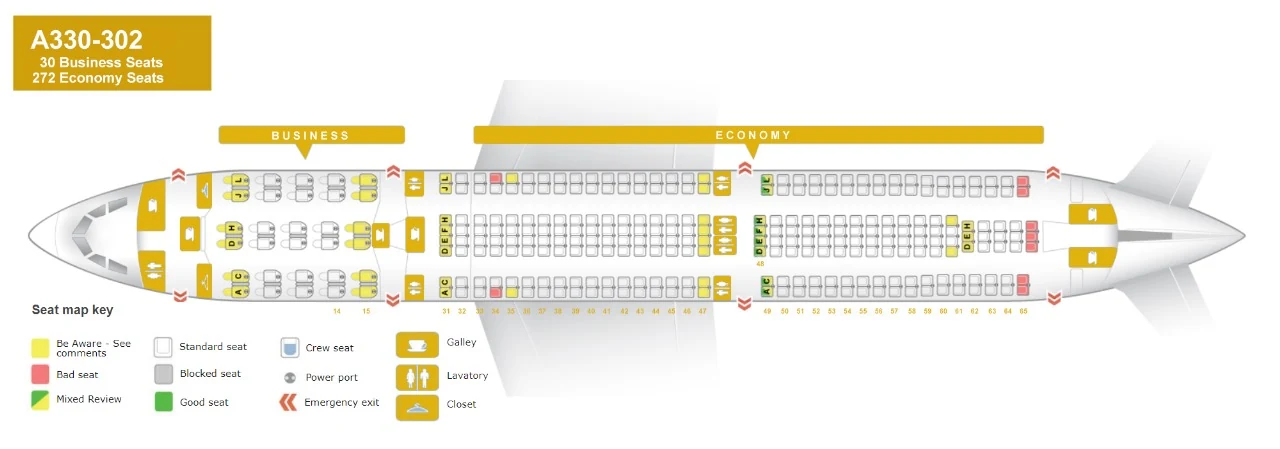
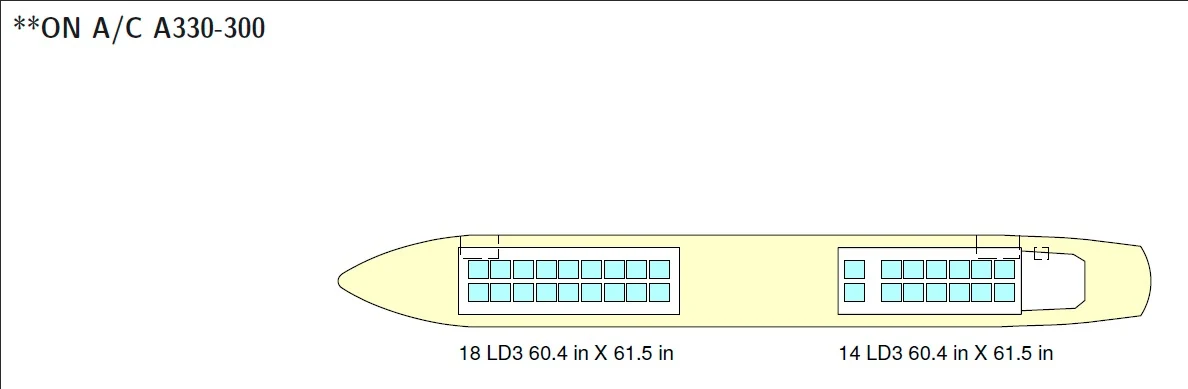
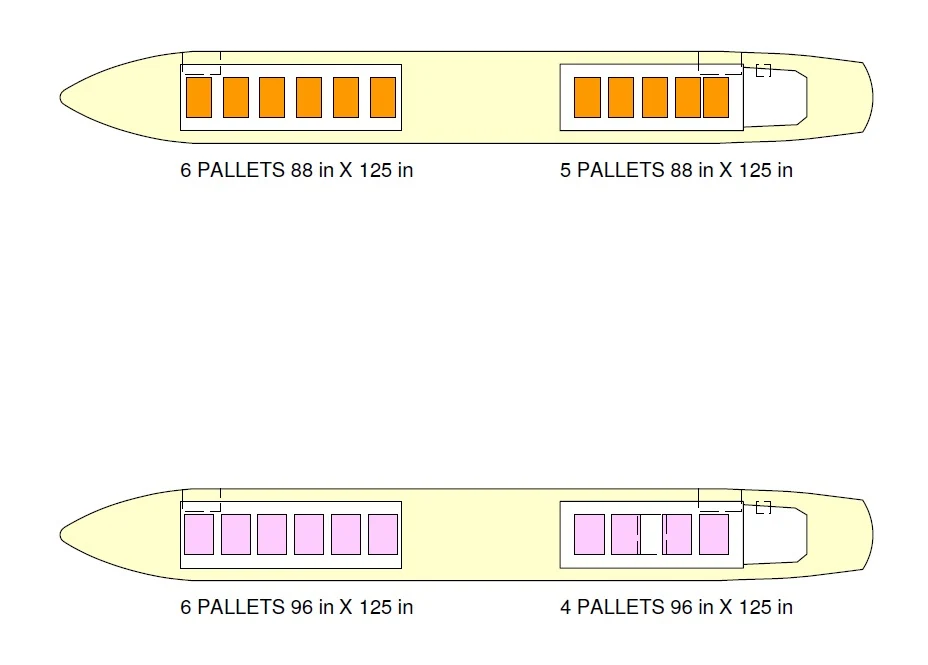
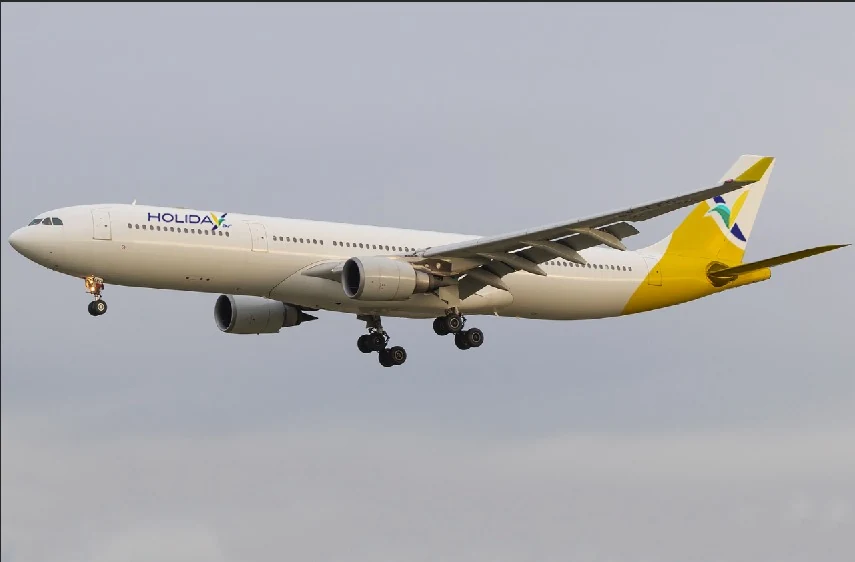
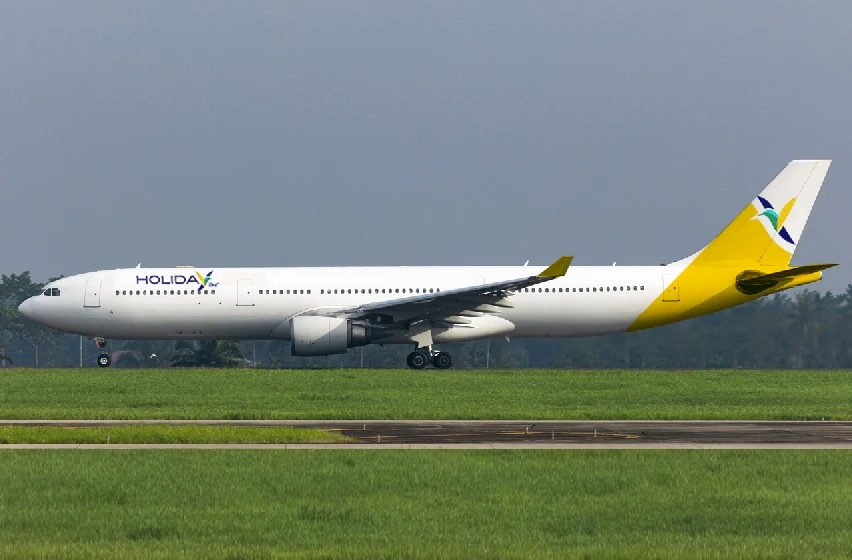
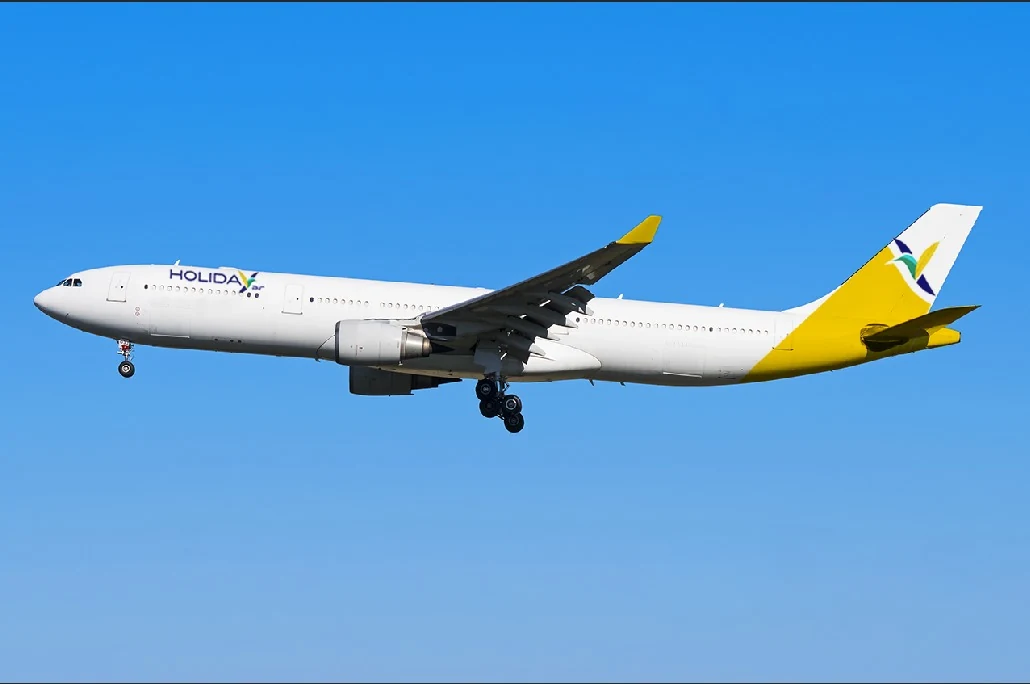
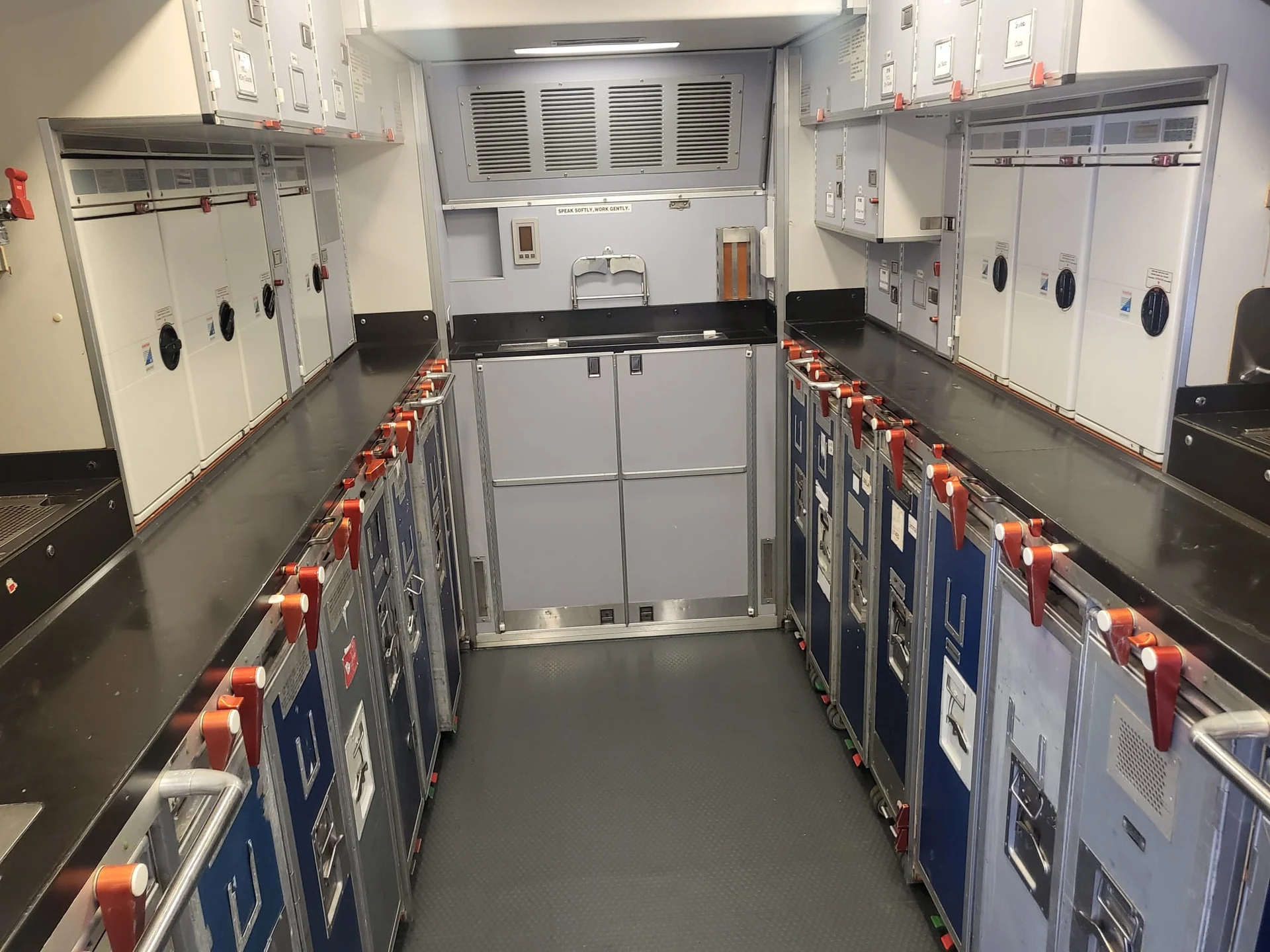
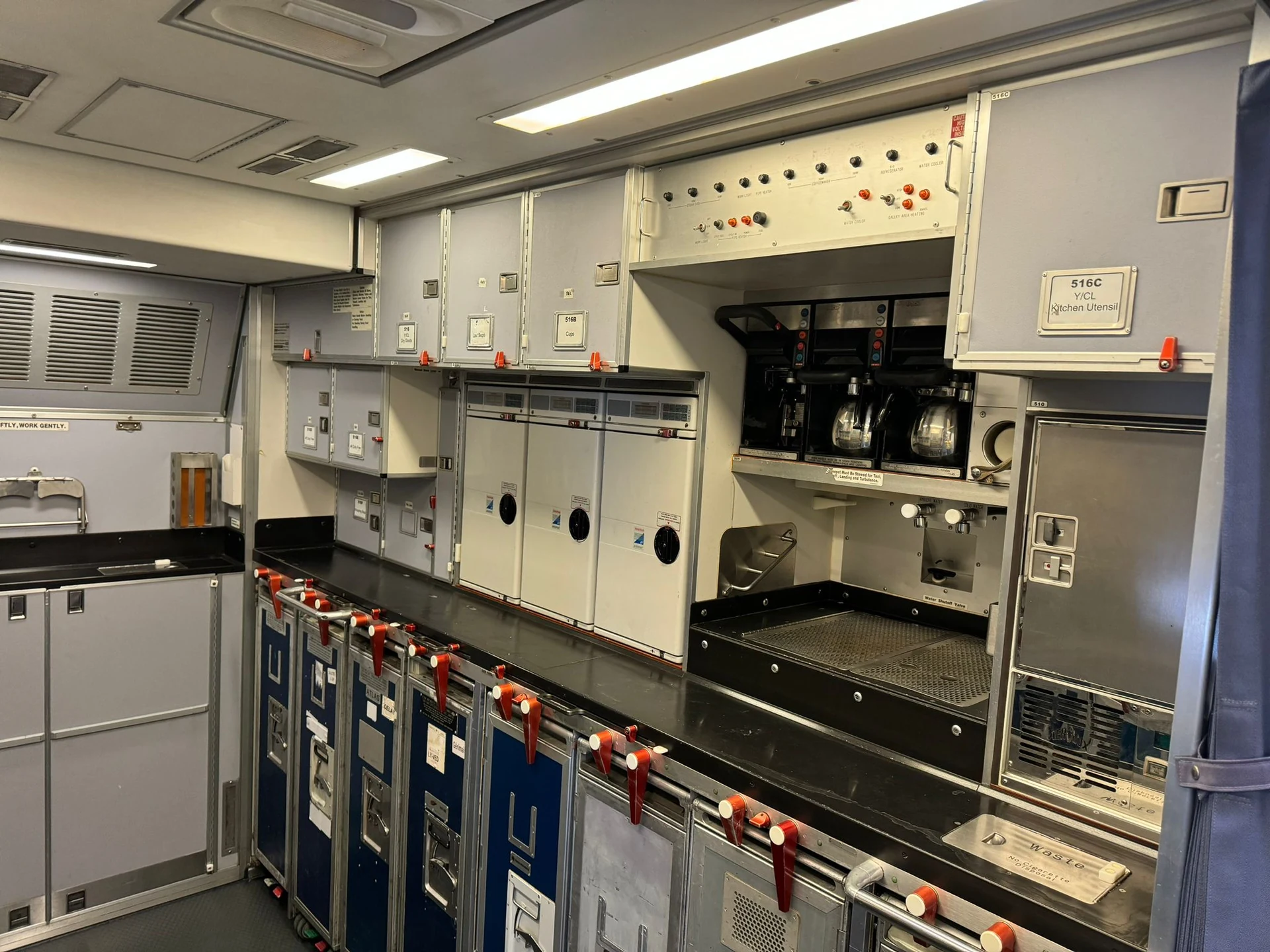
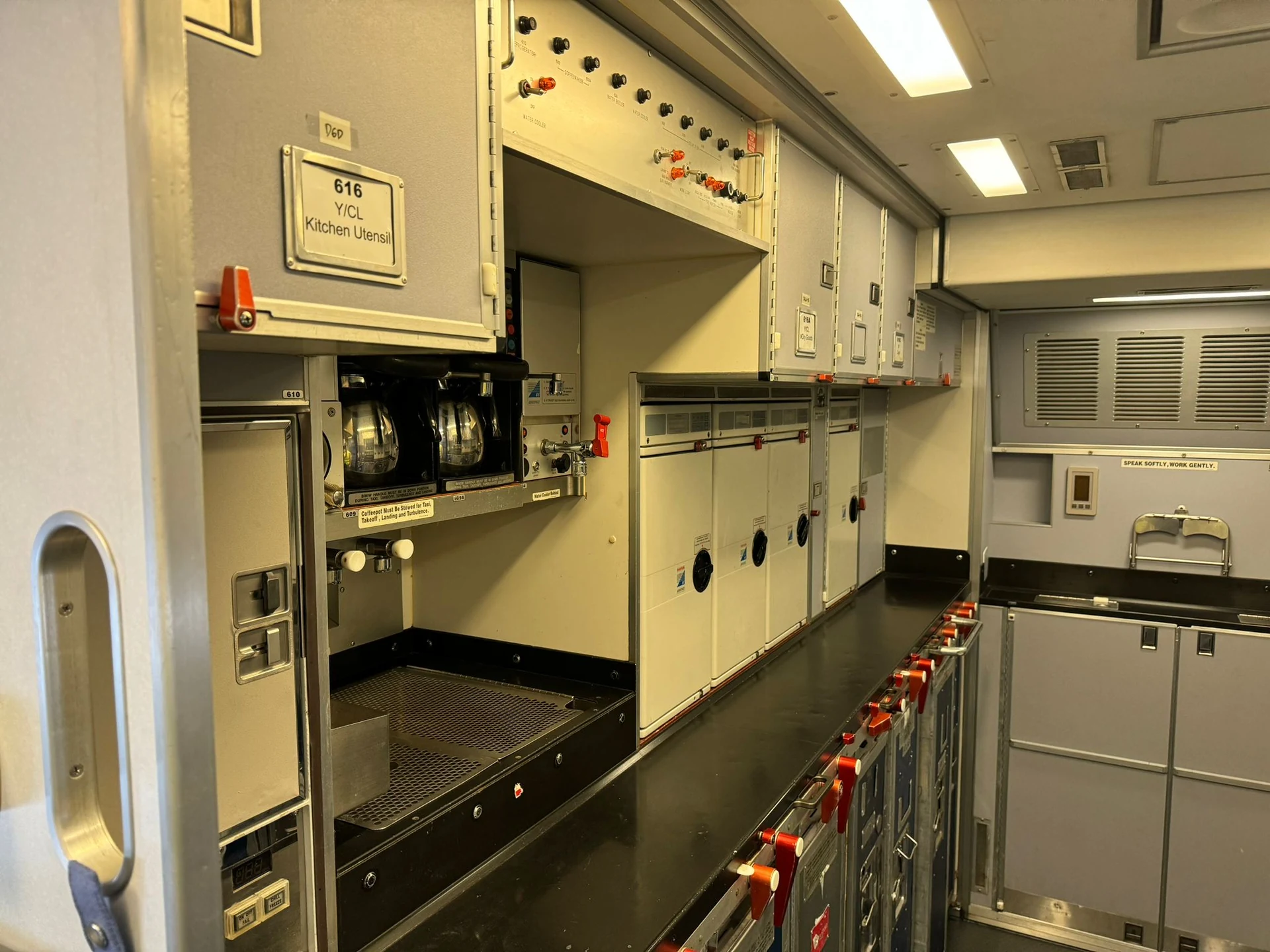
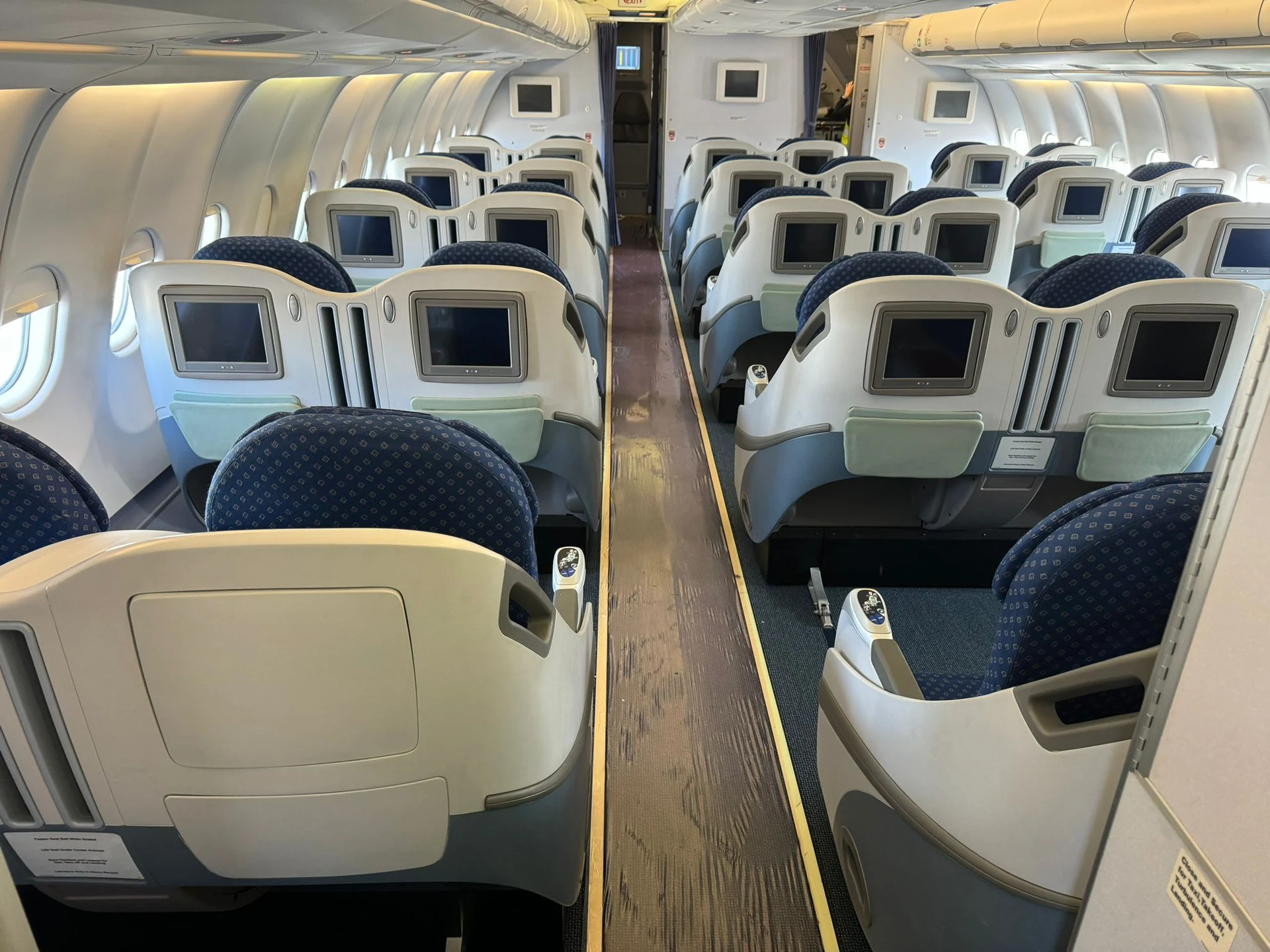
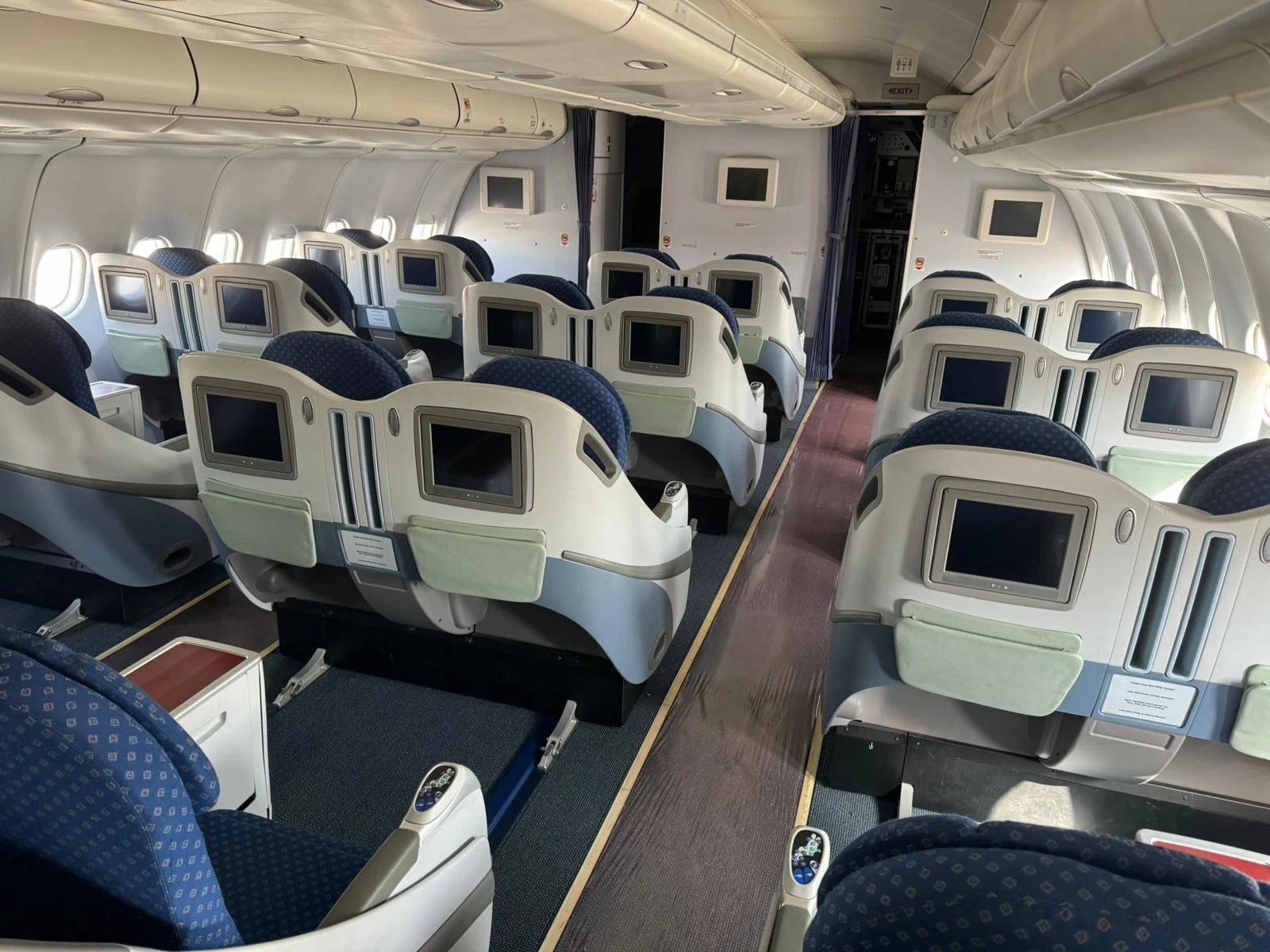
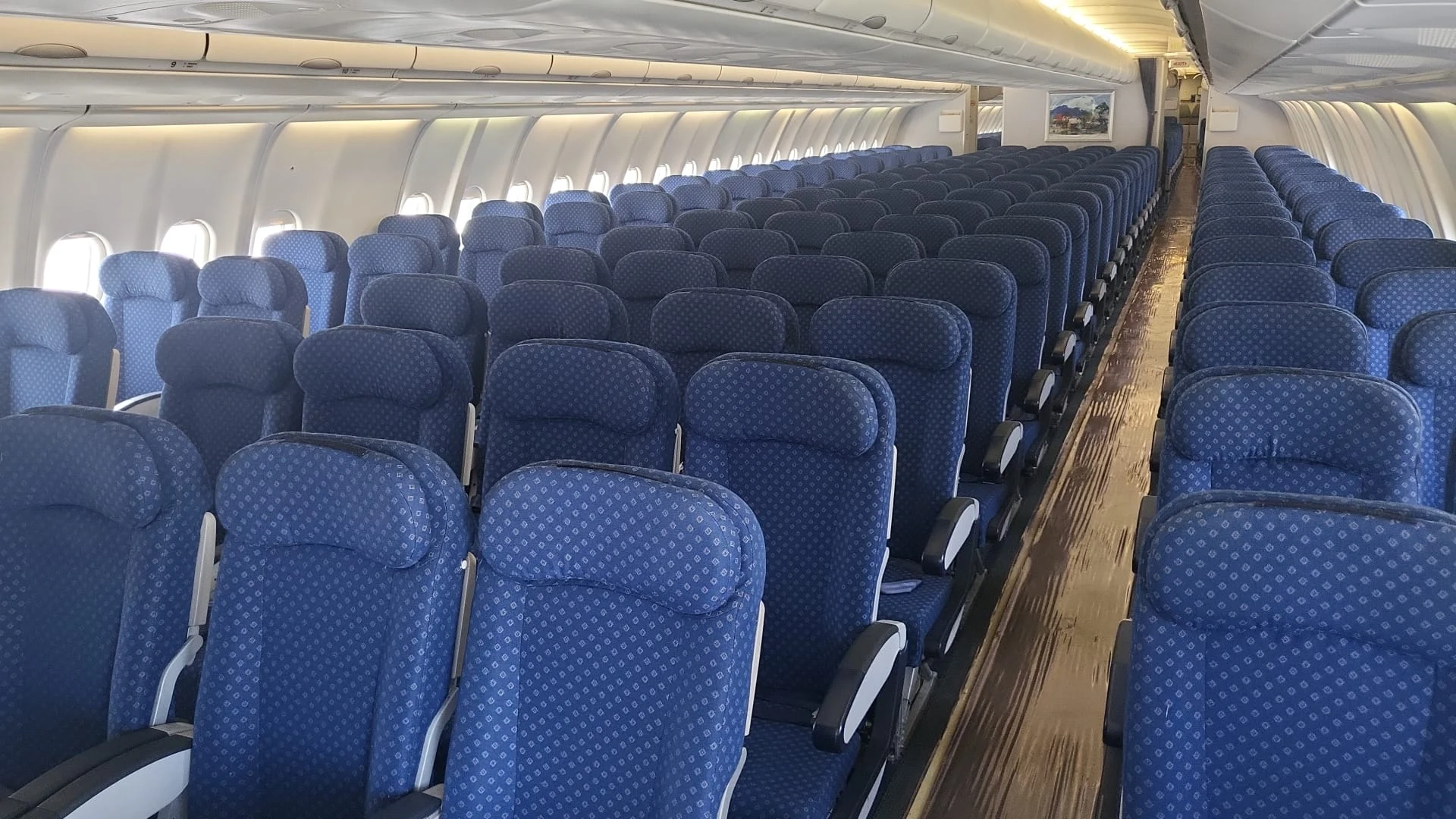
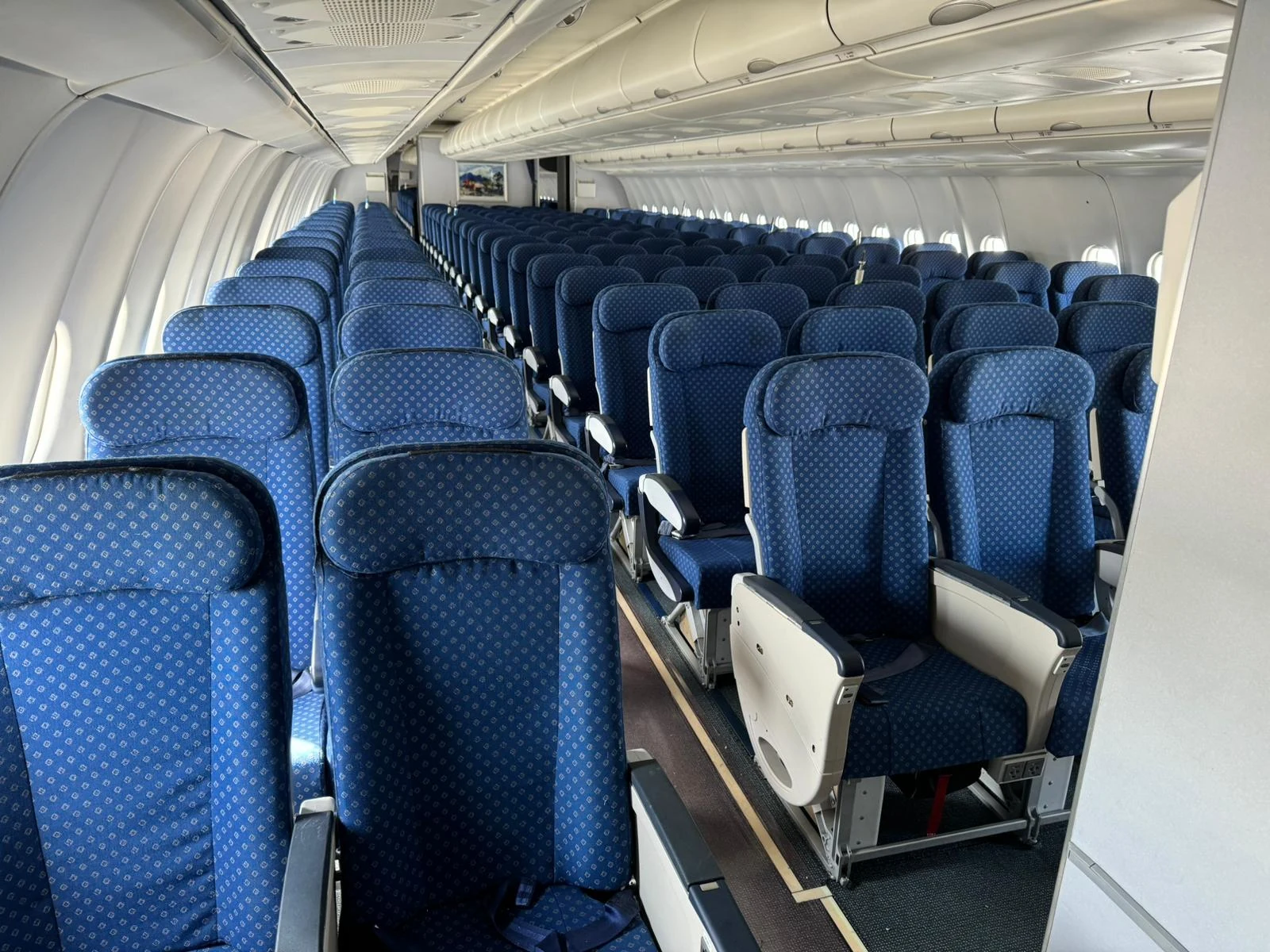
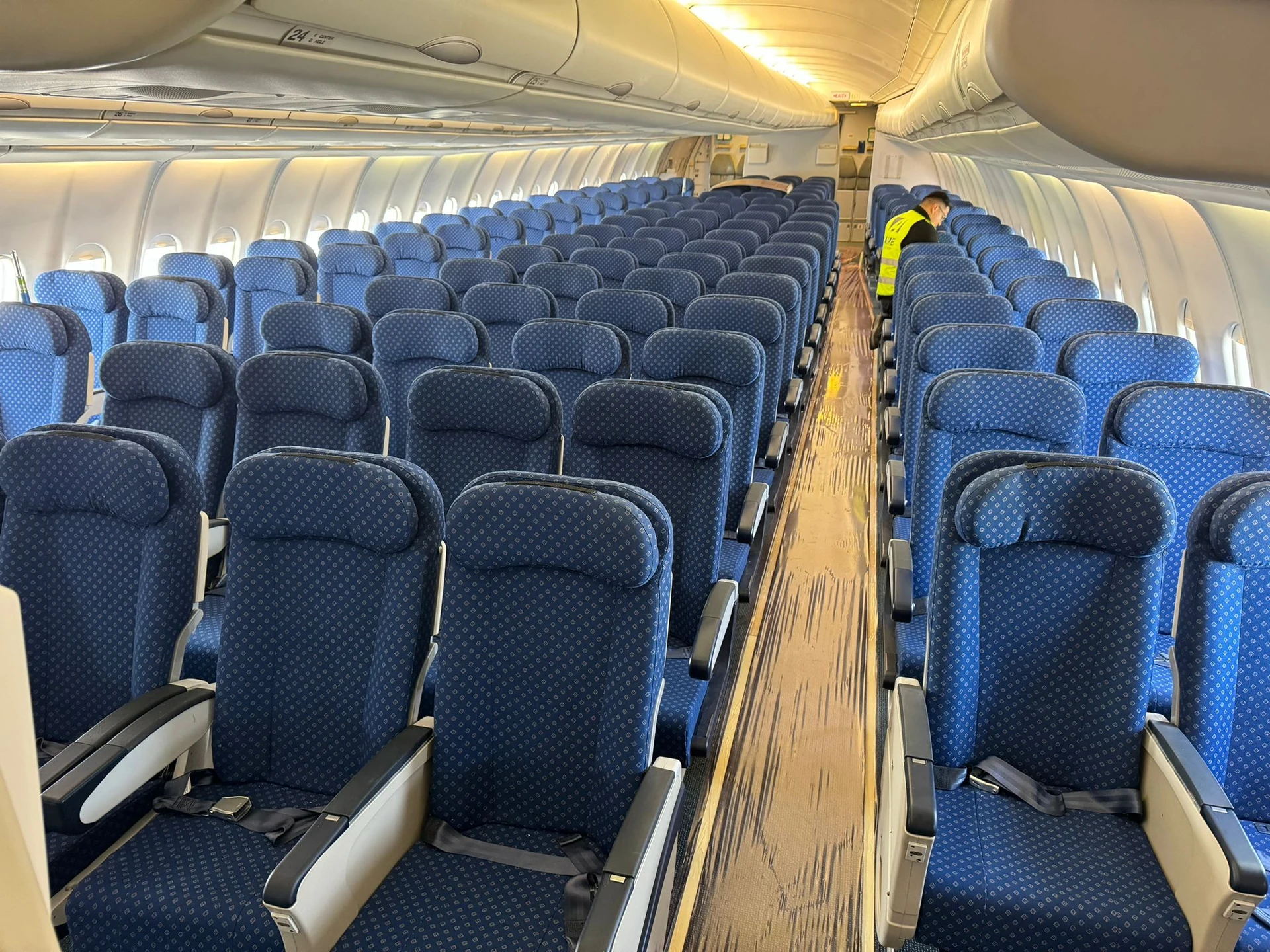
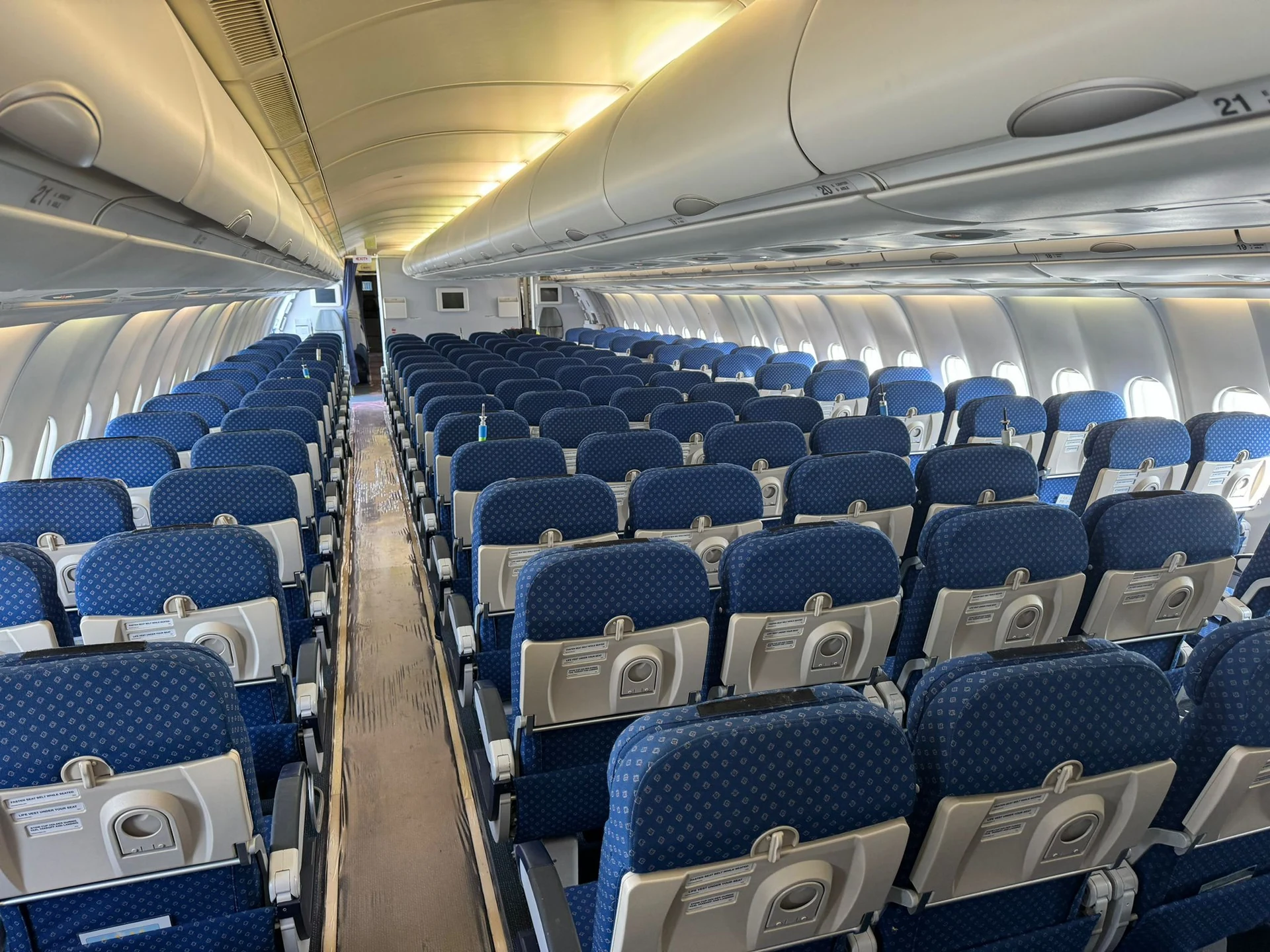
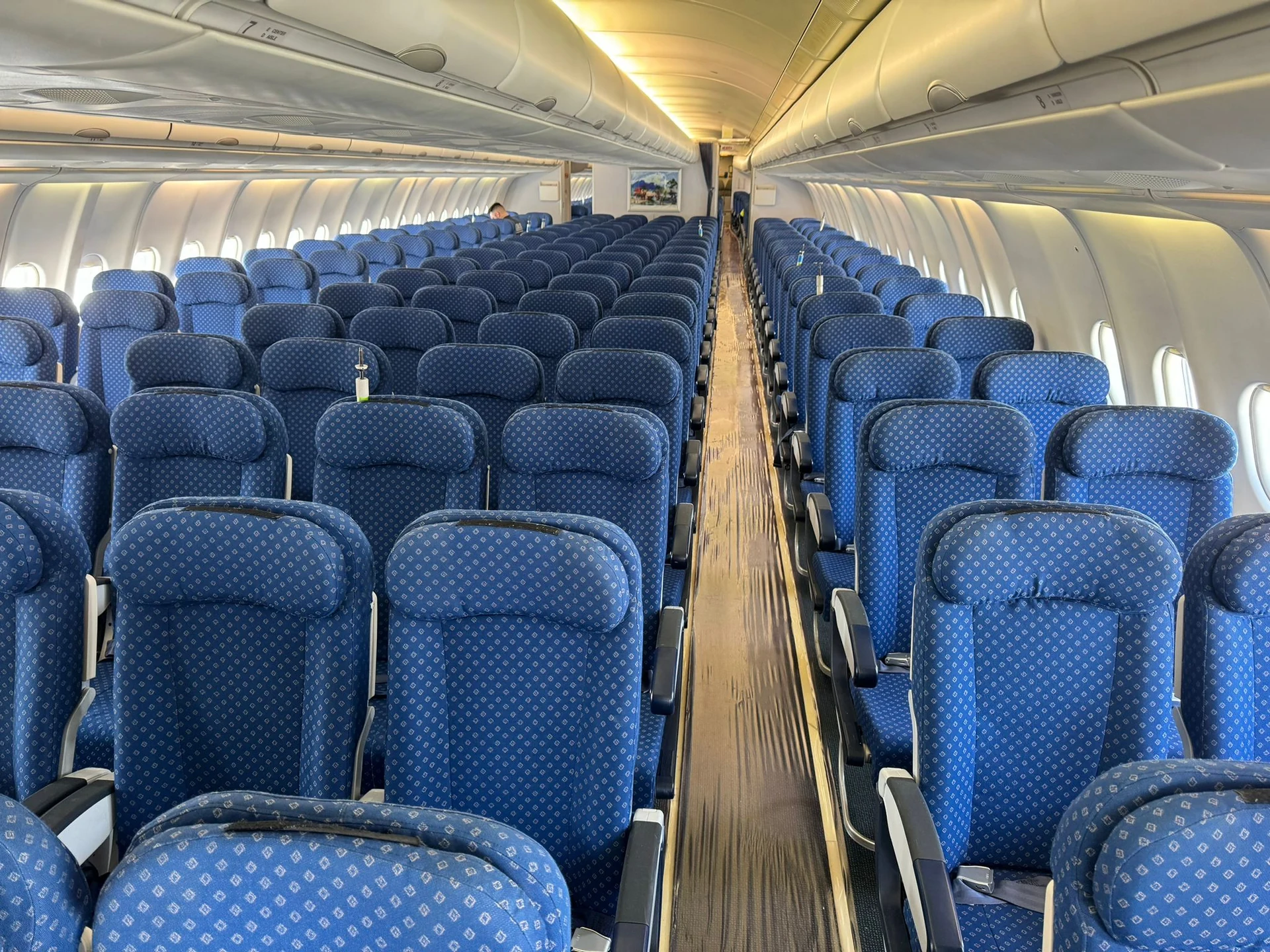
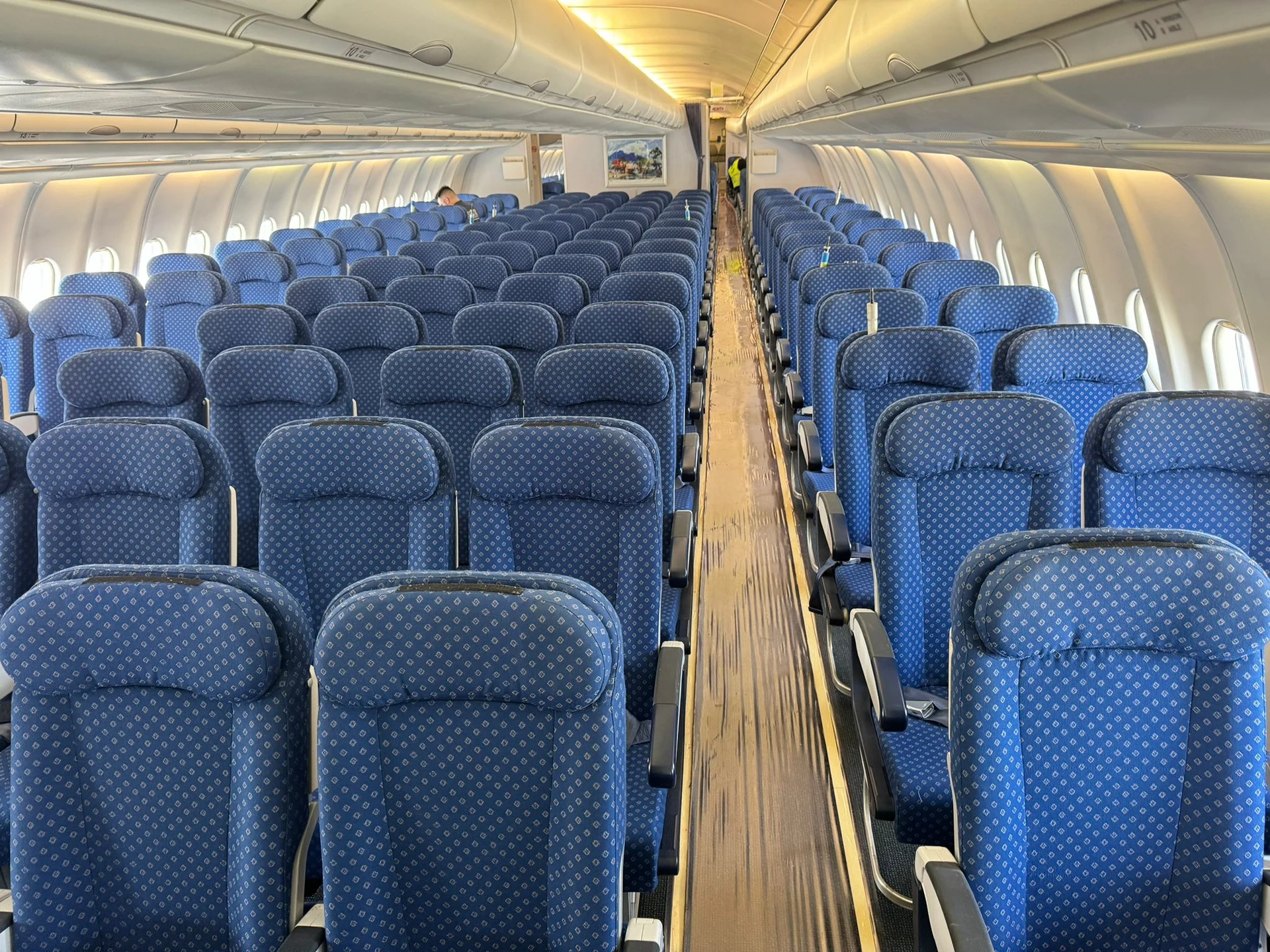
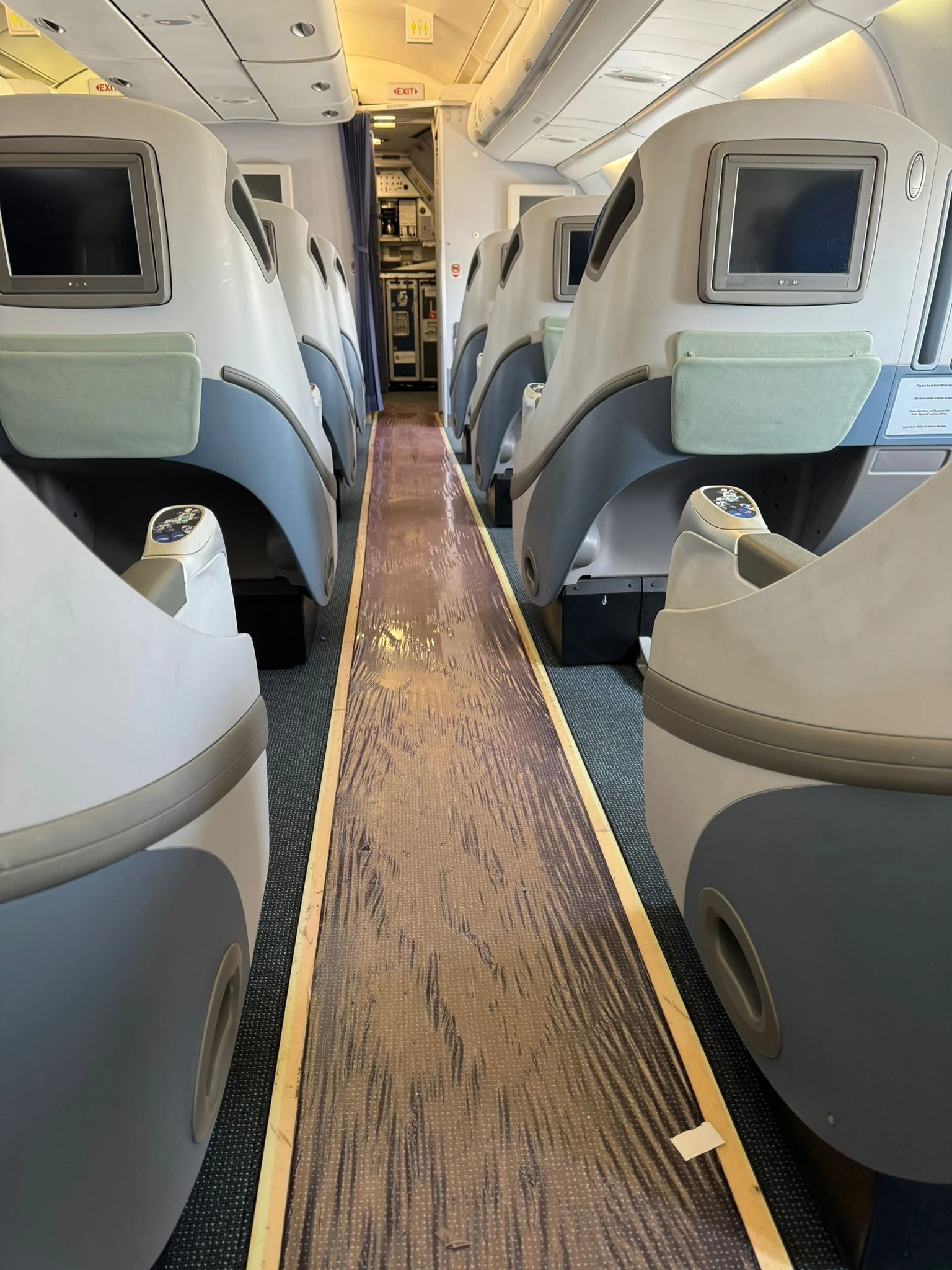
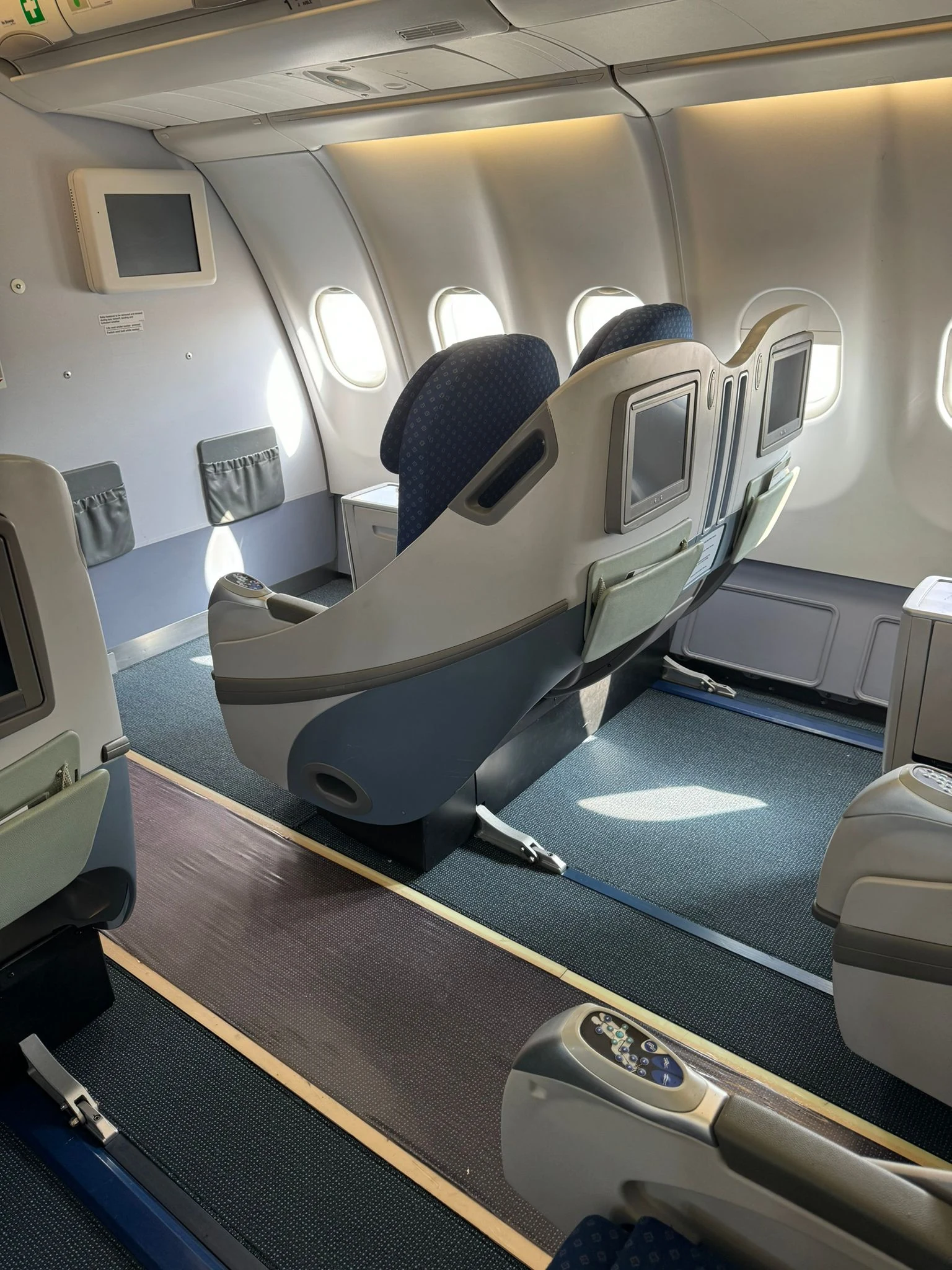
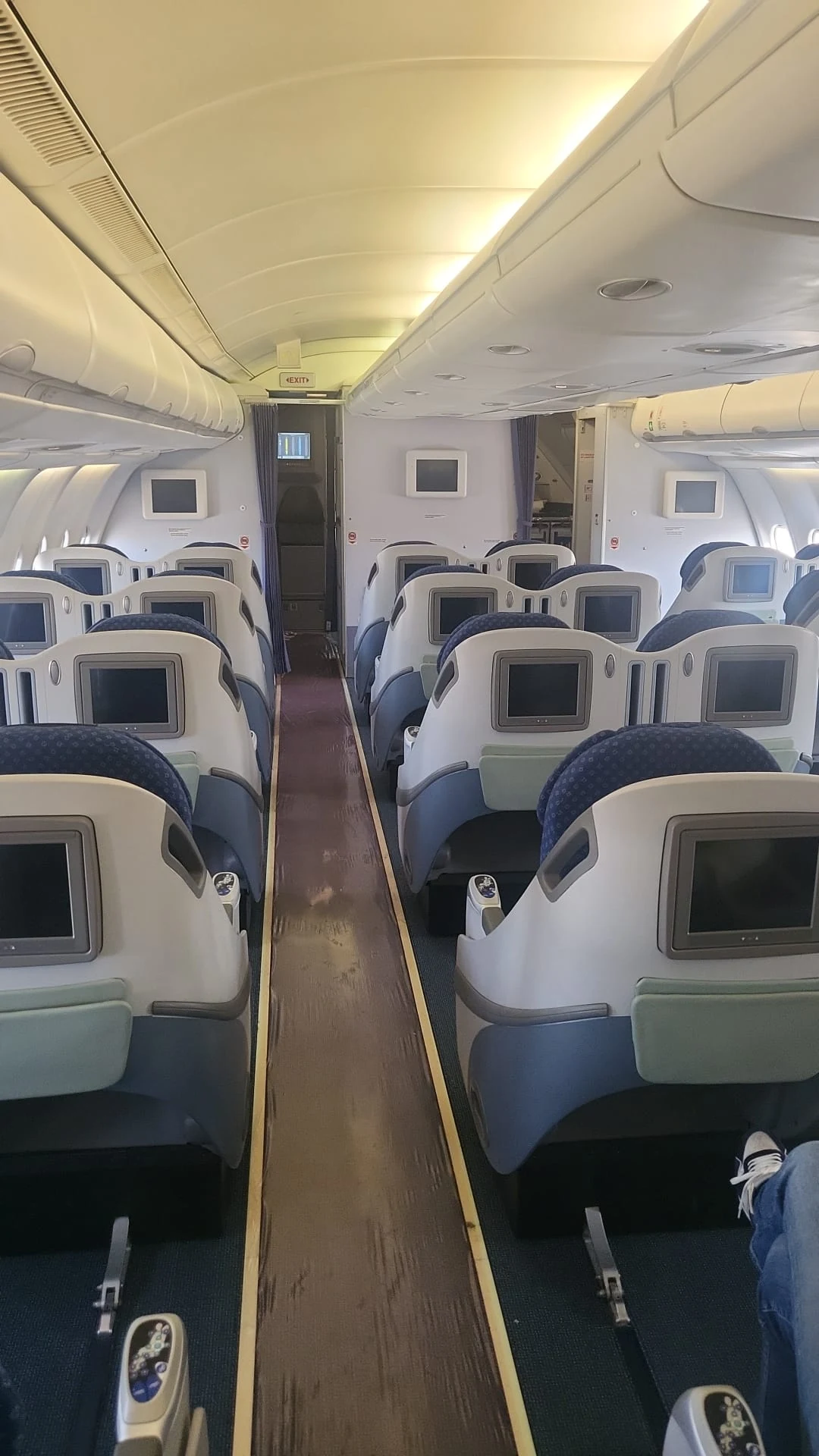
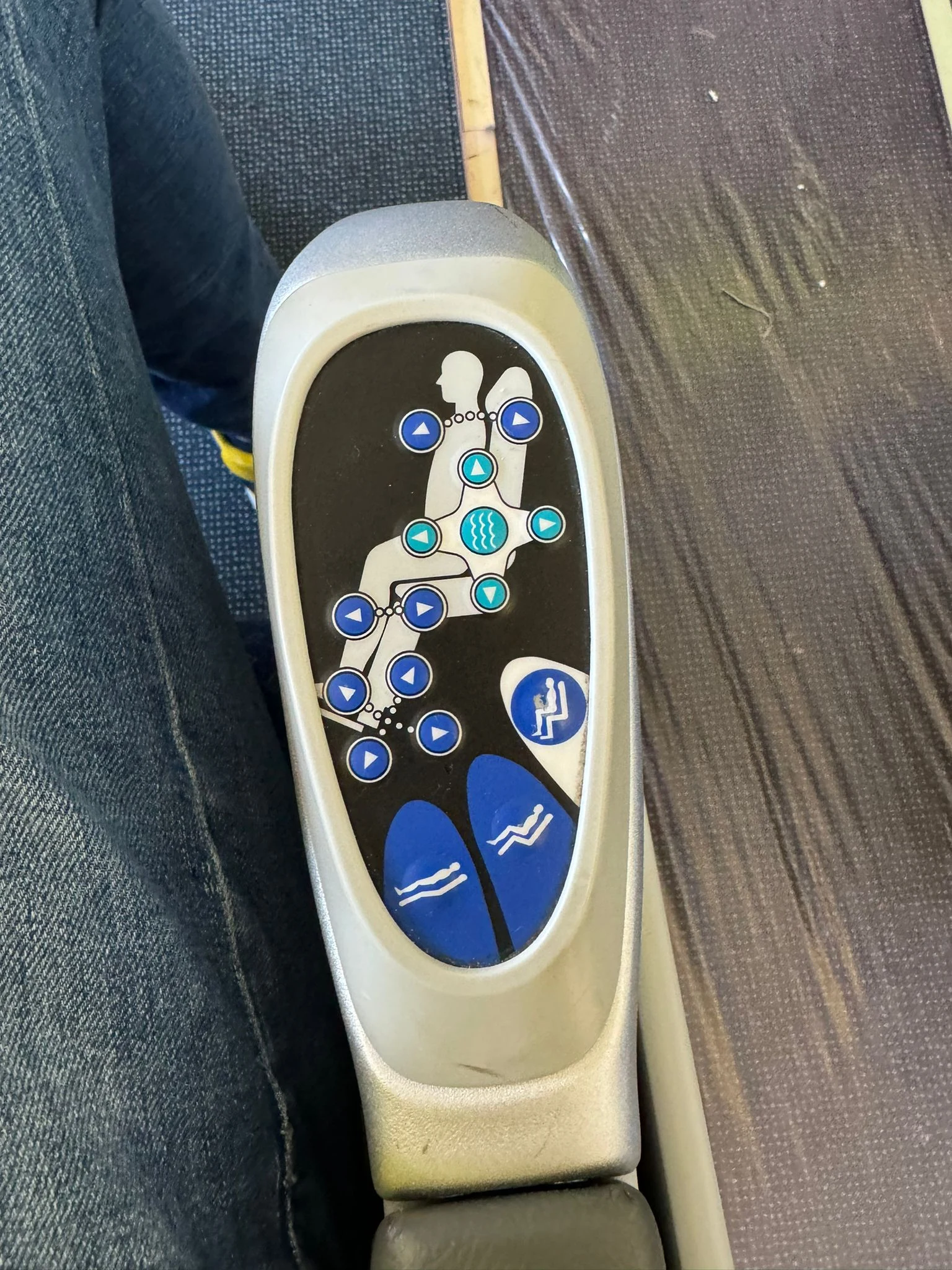
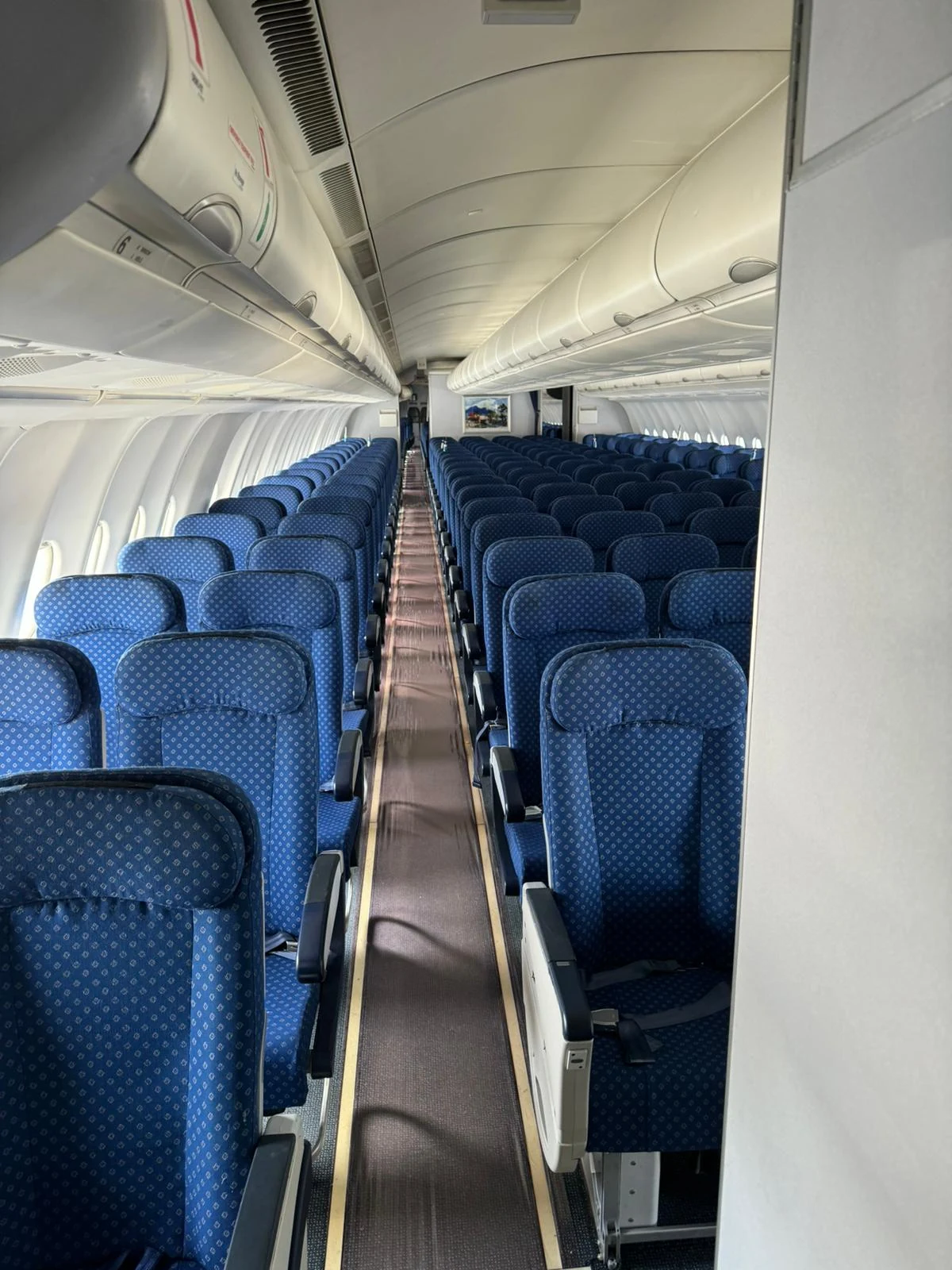
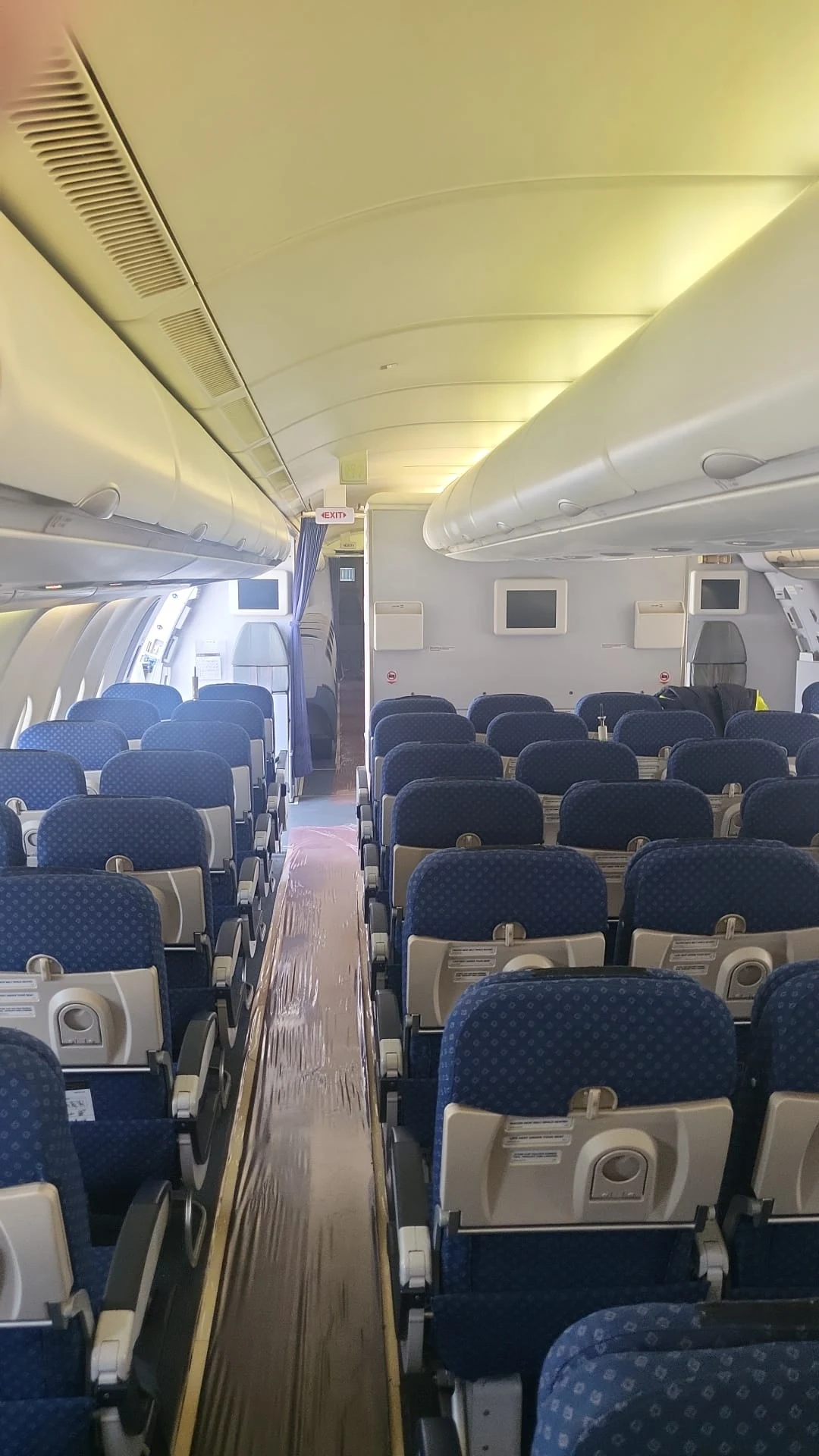
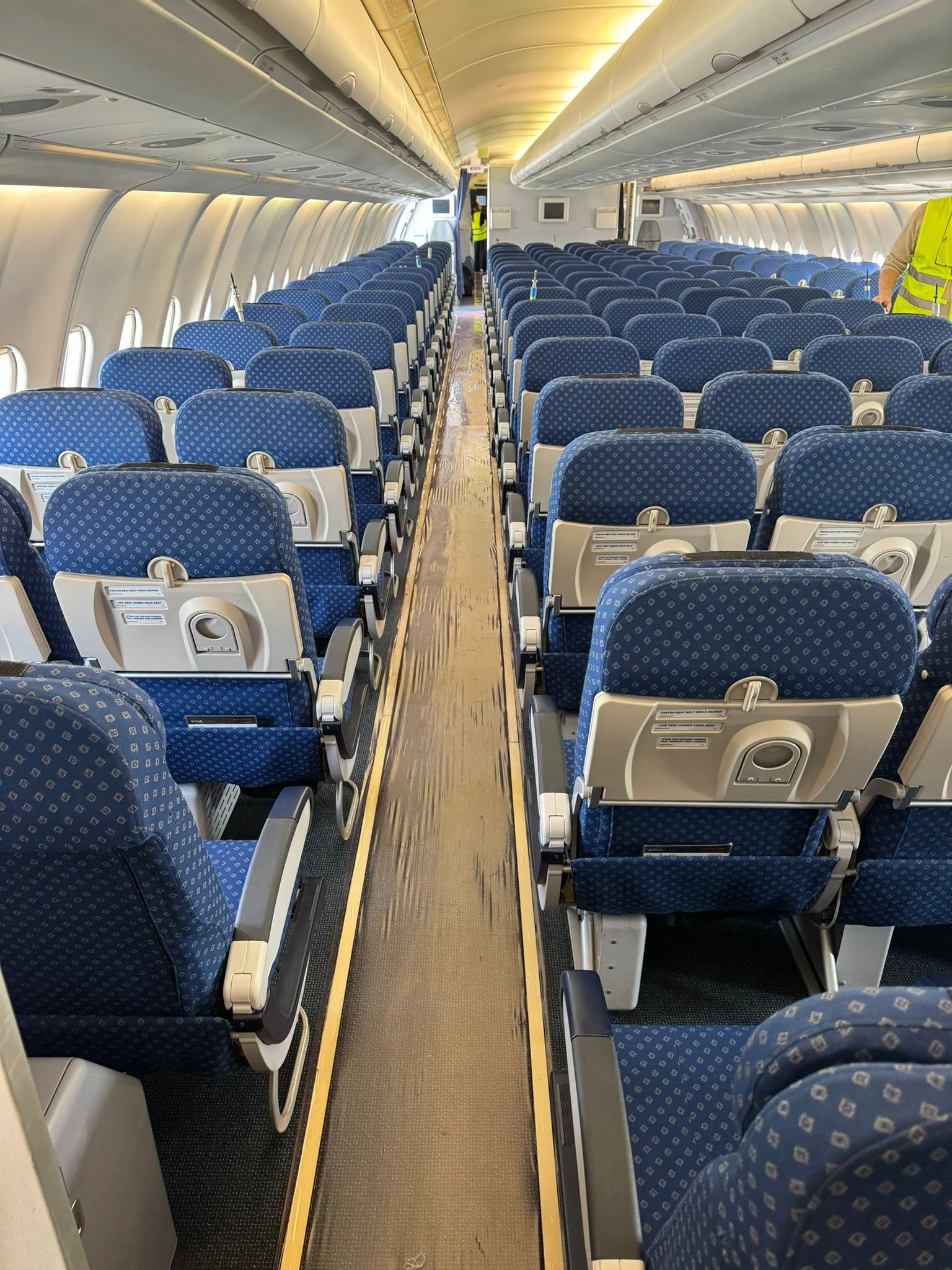
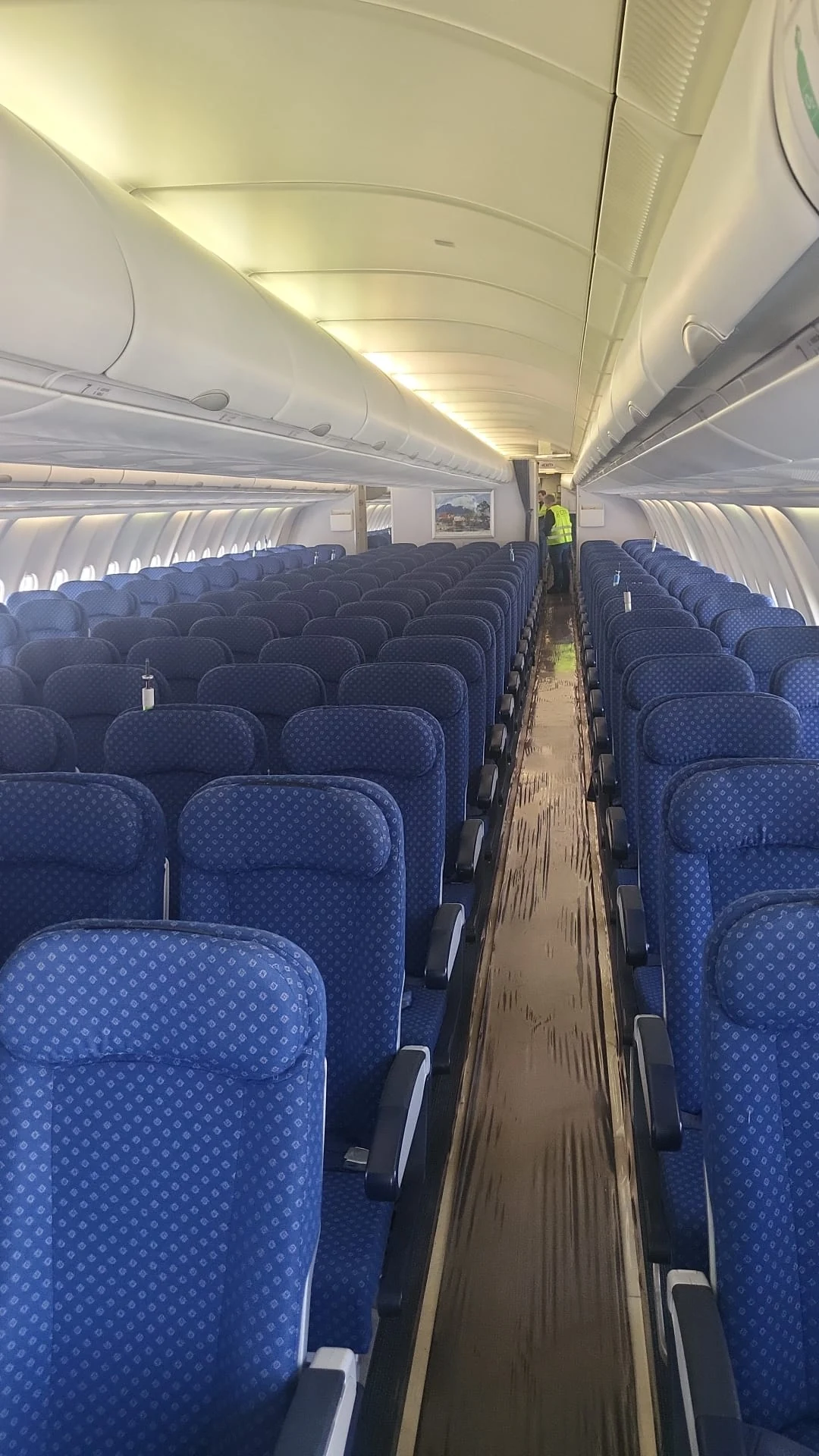
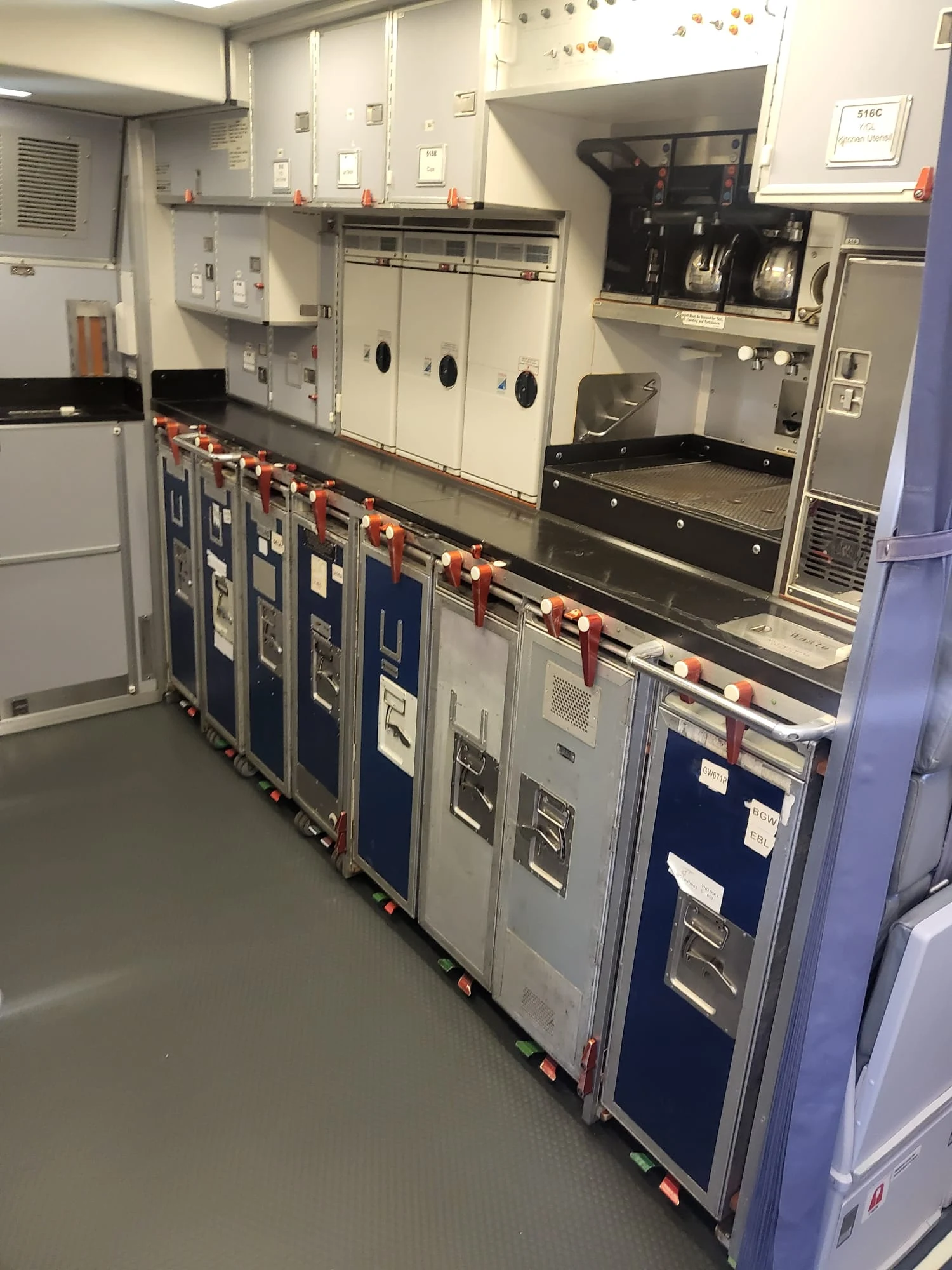
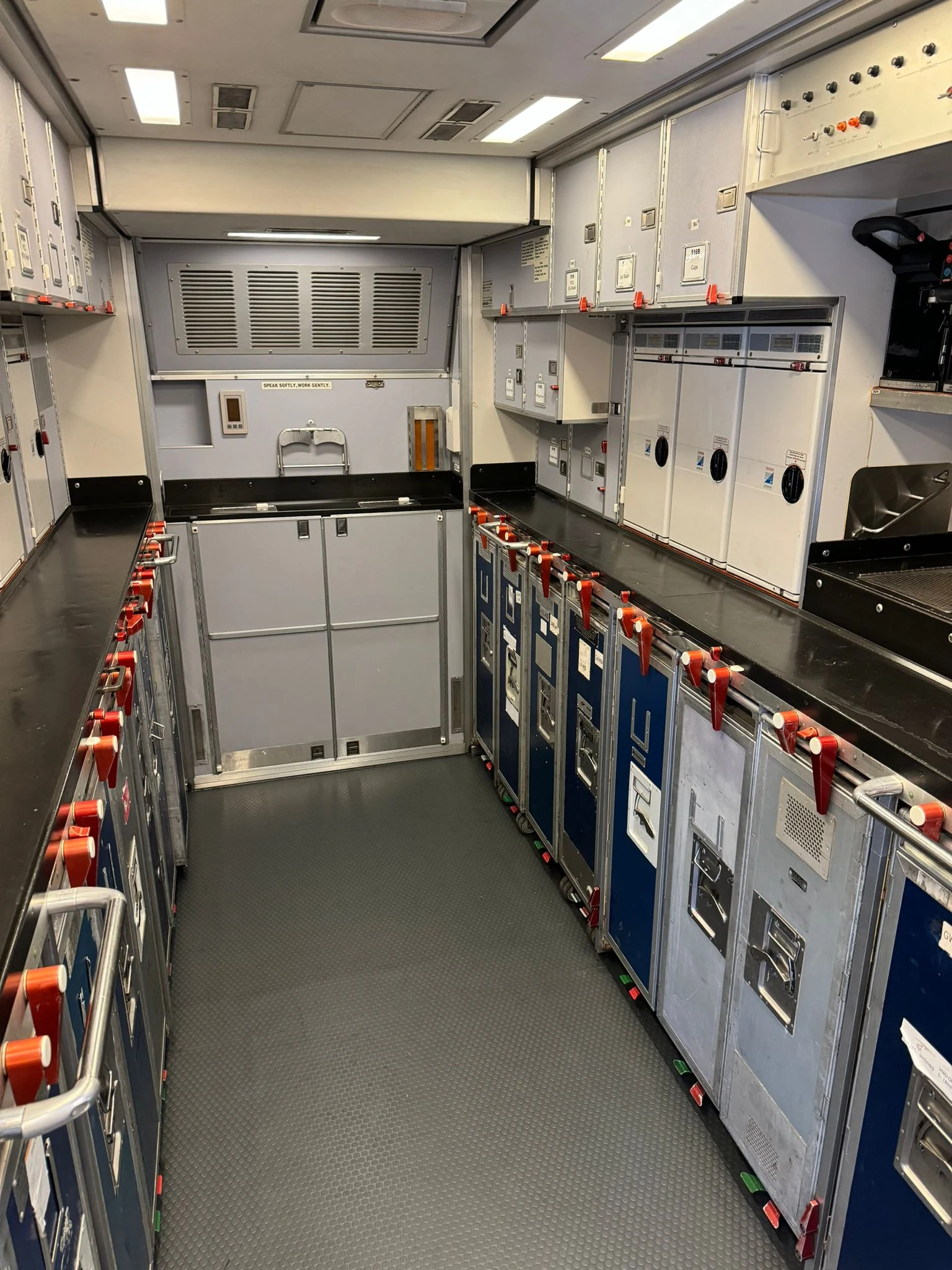
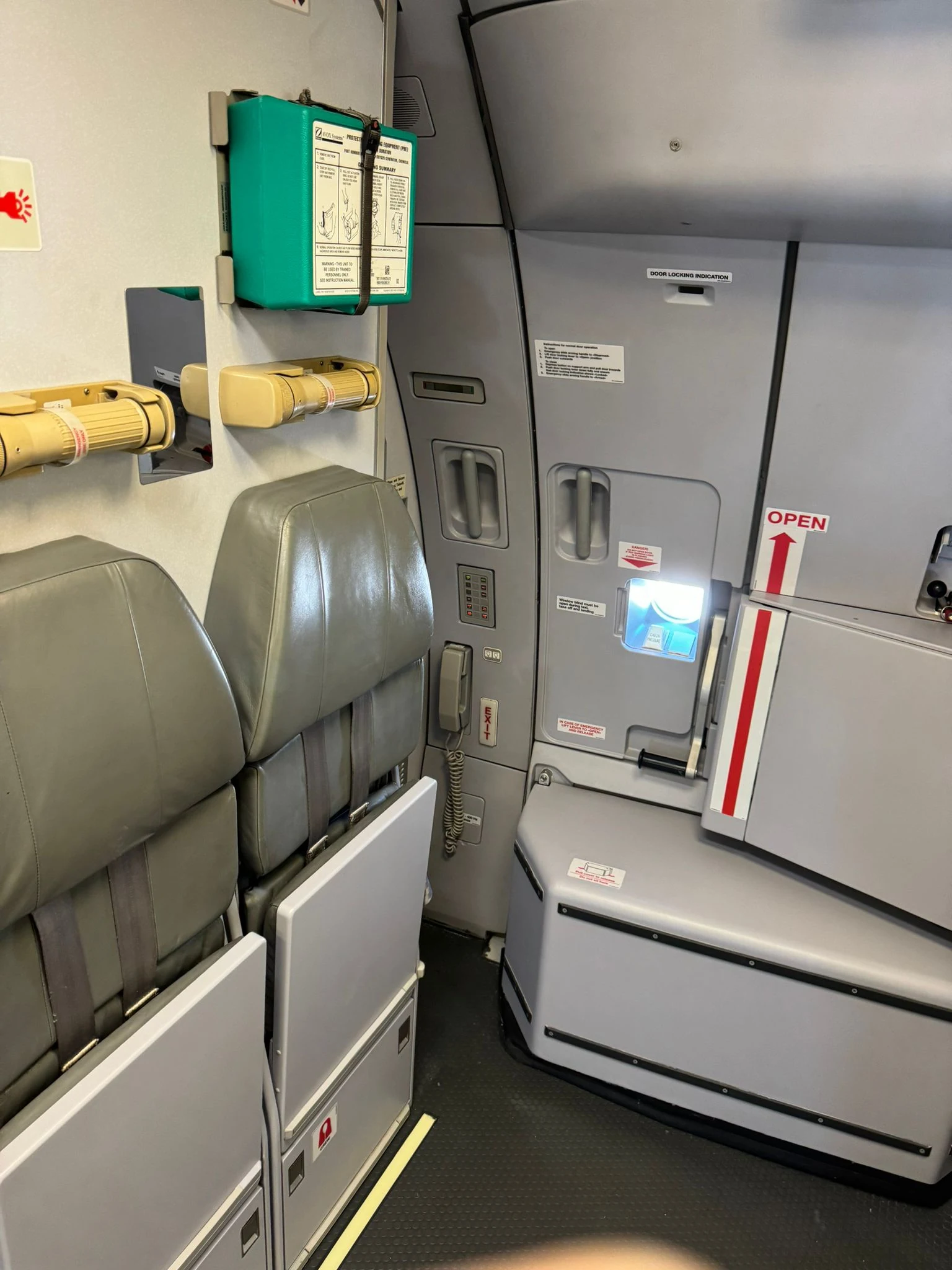
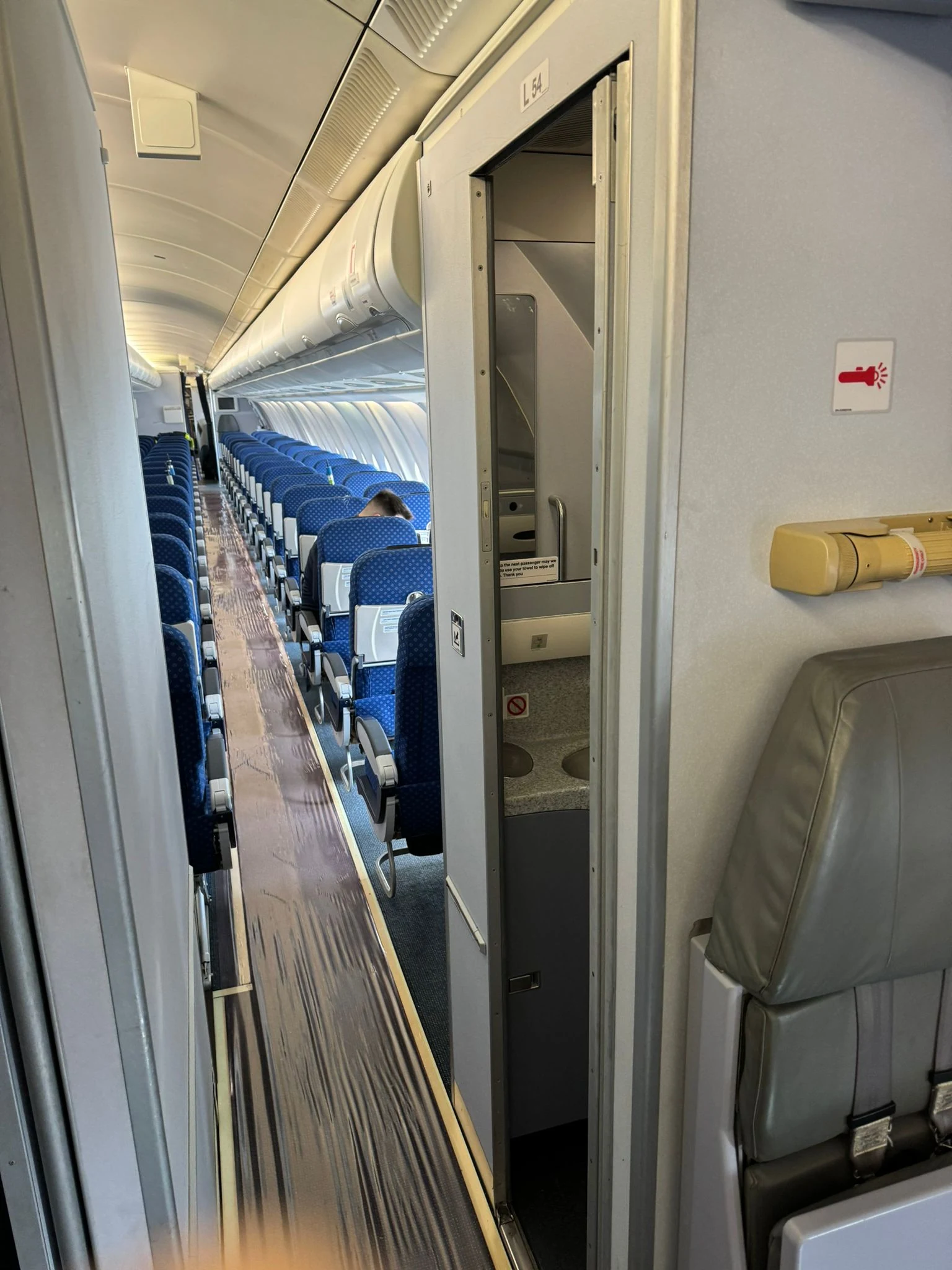
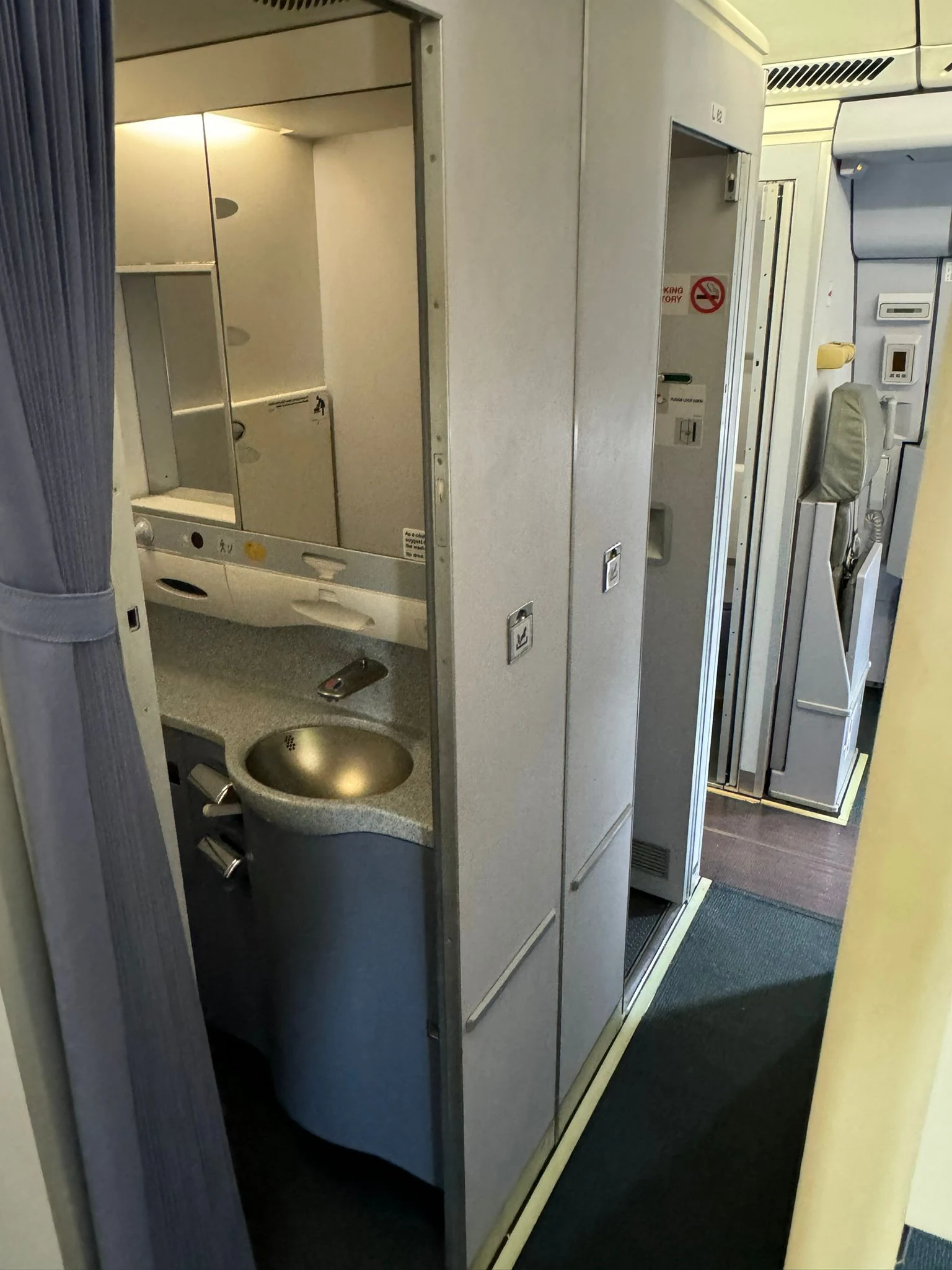
The Airbus 330-302 is a two-engined medium-to-long-range widebody airliner with a capacity of maximum 302 passengers produced by the European manufacturer Airbus S.A.S. .
HOLIDAY AIR · Aircraft information

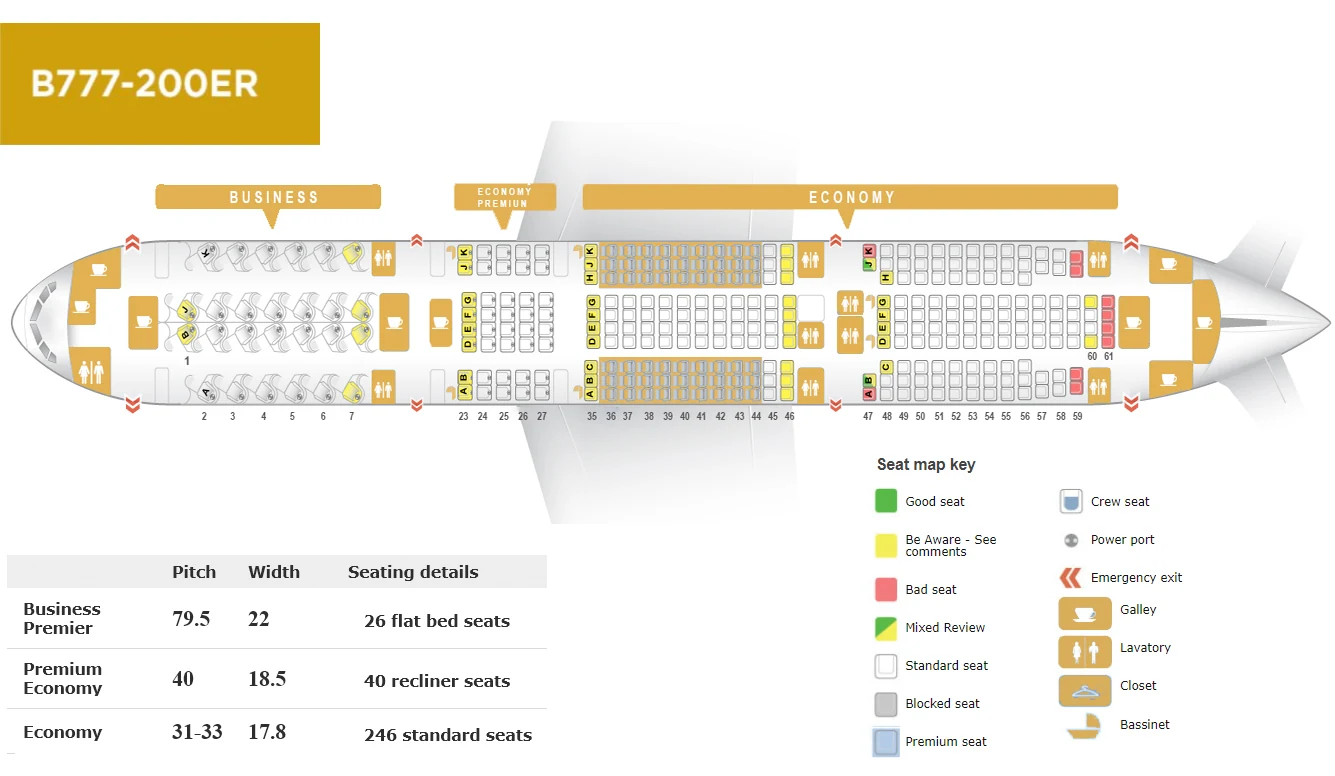
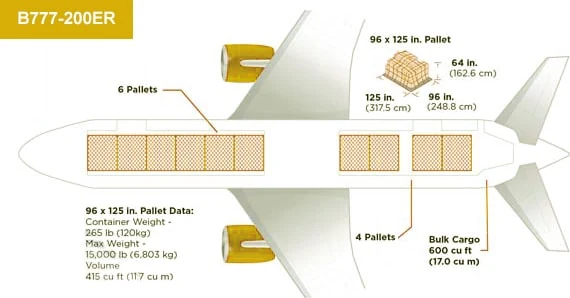
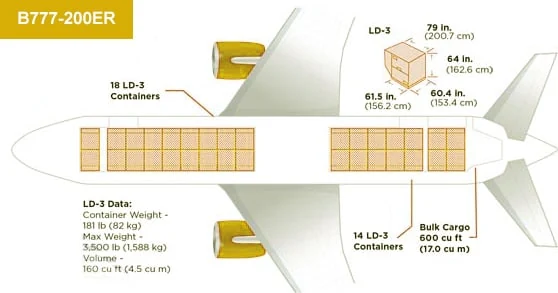
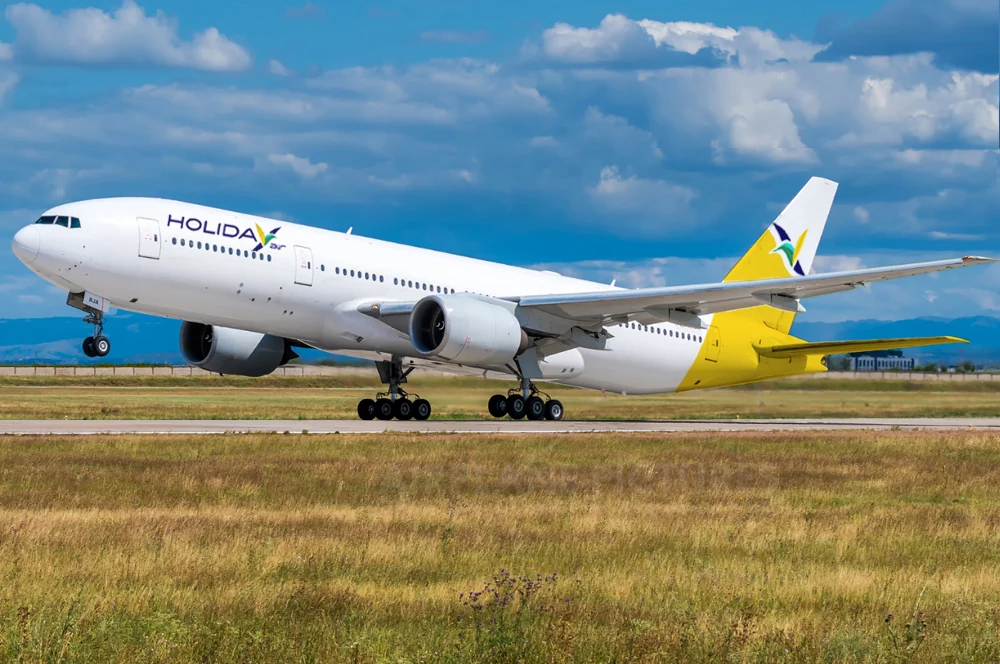
The Boeing 777, commonly referred to as the Triple Seven, is an American long-range wide-body airliner developed and manufactured by Boeing Commercial Airplanes. It is the world’s largest twin-jet. The 777 was designed to bridge the gap between Boeing’s other wide body airplanes, the twin-engined 767 and quad-engined 747, and to replace older DC-10s and L-1011 tri-jets. Developed in consultation with eight major airlines, with a first meeting in January 1990, the program was launched in October, with an order from United Airlines. The prototype was rolled out in April 1994, and first flew in June. The 777 entered service with the launch customer, United Airlines, in June 1995. Longer range variants were launched in 2000, and were first delivered in 2004.
It can accommodate a ten–abreast seating layout and has a typical 3-class capacity of 312 passengers, with a range of 5,240 to 8,555 nautical miles (9,700 to 15,840 km). It is recognizable for its large-diameter turbofan engines, six wheels on each main landing gear, fully circular fuselage cross-section, and a blade-shaped tail cone. It is the first Boeing aircraft with fly-by-wire controls. It initially competed with the Airbus A340 and the McDonnell Douglas MD-11, both now out of production, and as of 2021 competes with the Airbus A350 and A330-900.
The original 777 with a maximum takeoff weight (MTOW) of 545,000–660,000 lb (247–299 t) was produced in two fuselage lengths: the initial -200 was followed by the extended-range 777-200ER in 1997; and the 33.25 ft (10.13 m) longer 777-300 in 1998. Those 777 Classics were powered by 77,200–98,000 lbf (343–436 kN) General Electric GE90, Pratt & Whitney PW4000, or Rolls-Royce Trent 800 engines. The longer-range 777-300ER, with a MTOW of 700,000–775,000 lb (318–352 t), entered service in 2004, the ultra long-range 777-200LR in 2006, and the 777F freighter in 2009. These long haul variants use 110,000–115,300 lbf (489–513 kN) GE90 engines and have extended raked wingtips. In November 2013, Boeing announced the 777X development with the -8 and -9 variants, both featuring composite wings with folding wingtips and General Electric GE9X engines.
The 777 has been ordered and delivered more than any other wide-body airliner; as of September 2022, more than 60 customers had placed orders for 2,136 aircraft of all variants, with 1,695 delivered. The most common and successful variant is the 777-300ER with 838 aircraft ordered and 832 delivered. By March 2018, the 777 had become the most produced Boeing wide-body jet, overtaking the Boeing 747. As of 2018, Emirates was the largest operator, with 163 aircraft. As of September 2021, the 777 had been involved in 31 aviation accidents and incidents, including 8 hull losses (5 during flight and 3 on the ground) with 541 fatalities, and 3 hijackings.
HOLIDAY AIR · Aircraft information

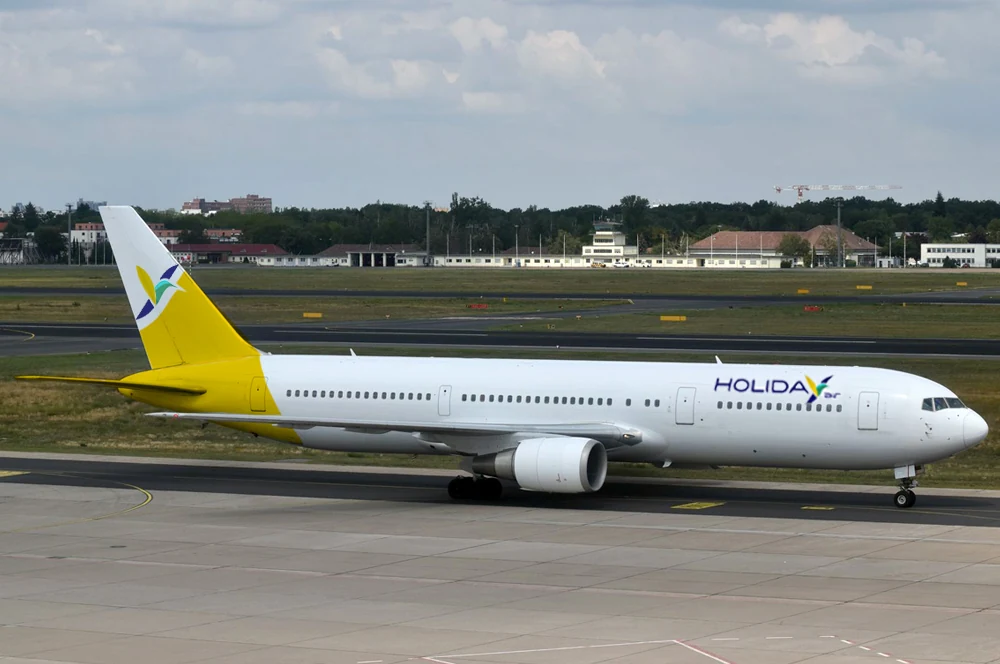
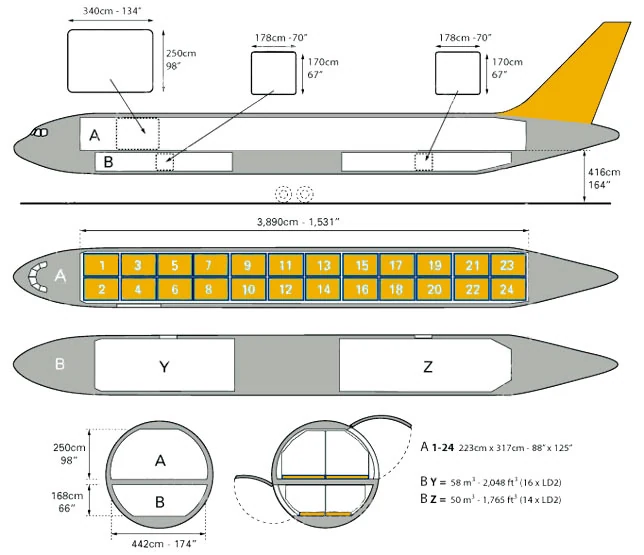
The 767 is produced in three fuselage lengths. The original 767-200 entered service in 1982, followed by the 767-300 in 1986 and the 767-400ER an extended-range (ER) variant, in 2000. The extended-range 767-200ER and 767-300ER models entered service in 1984 and 1988, respectively, while a production freighter version, the 767-300F, debuted in 1995. Conversion programs have modified passenger 767-200 and 767-300 series aircraft for cargo use, while military derivatives include the E-767 surveillance aircraft, the KC-767 and KC-46 aerial tankers and VIP transports. Engines featured on the 767 include the General Electric CF6, Pratt & Whitney JT9D and PW4000, and Rolls-Royce RV211 turbofans.
HOLIDAY AIR · Aircraft information

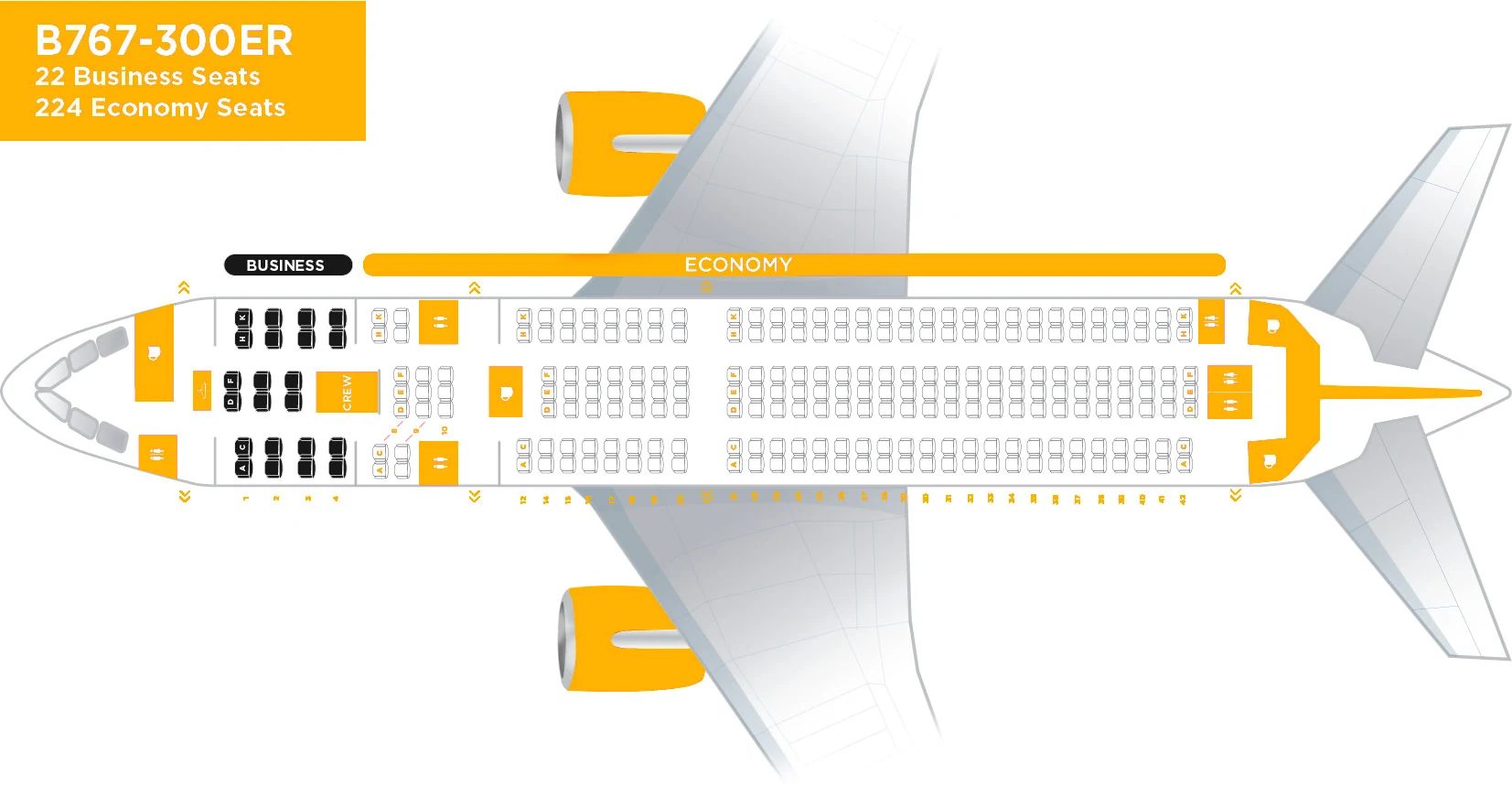
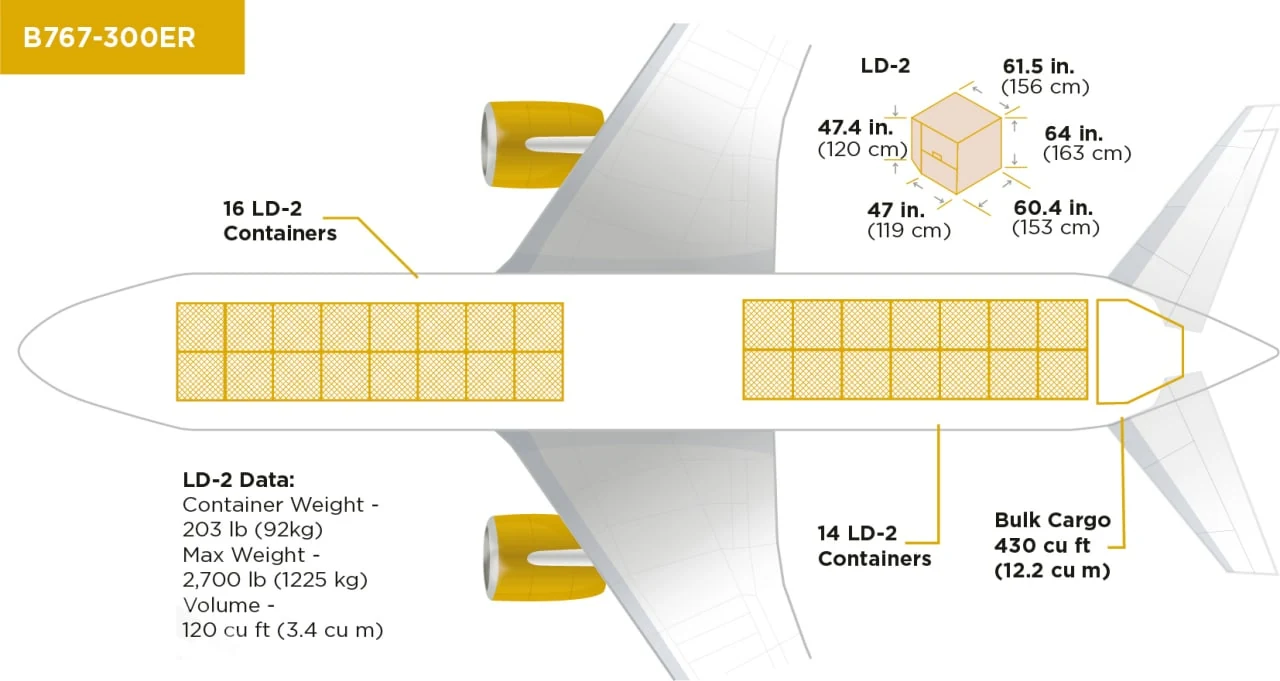
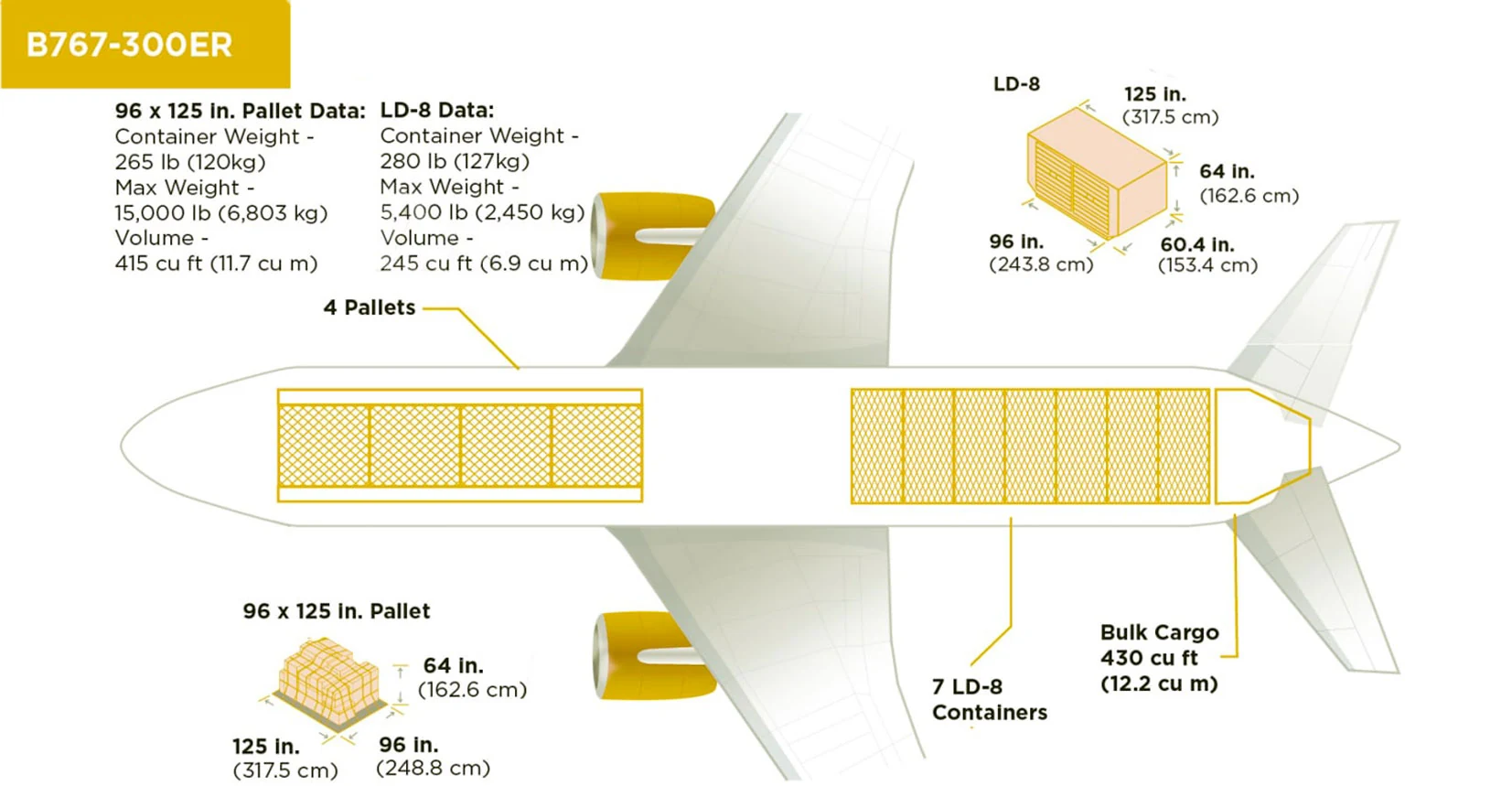
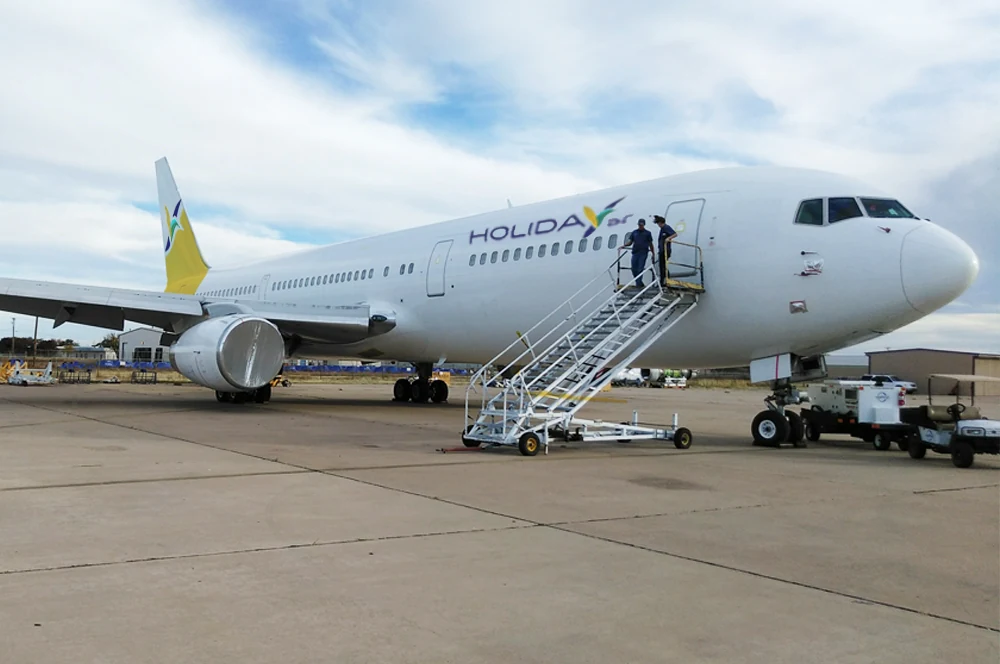
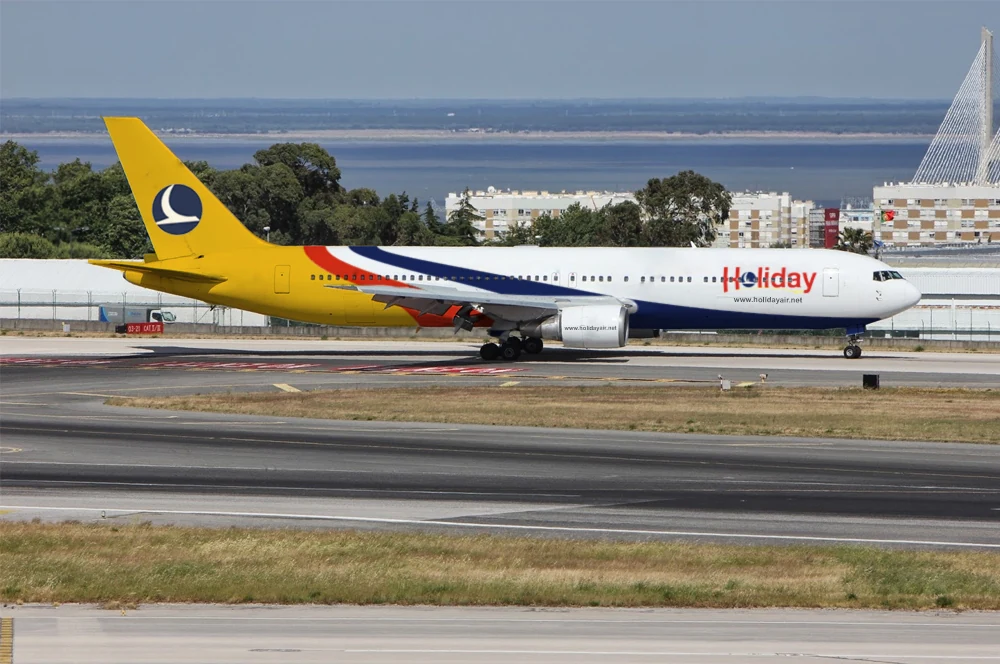
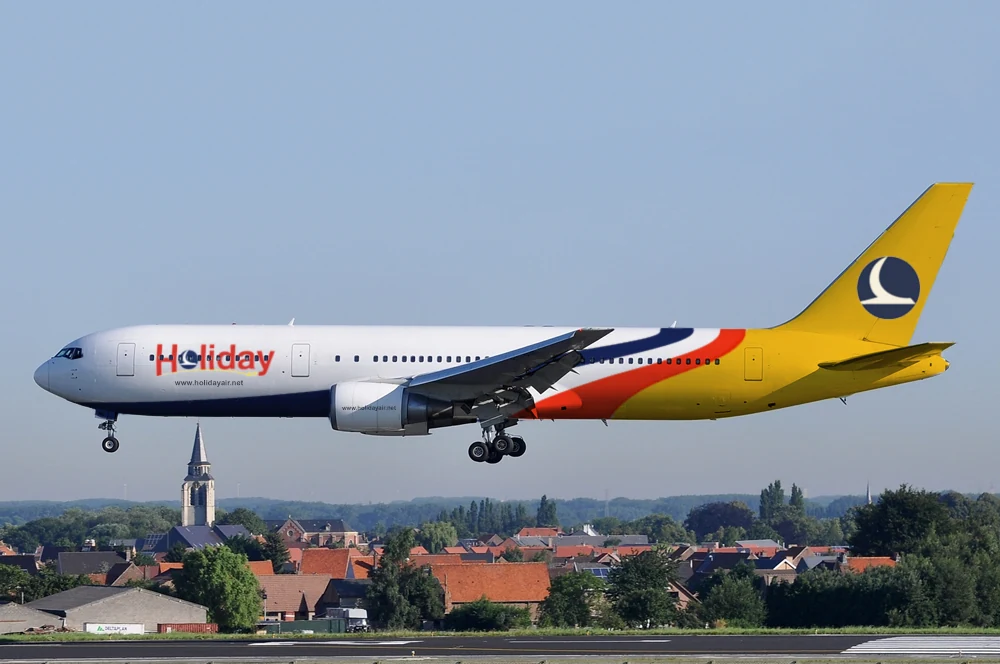
The Boeing 767 is a mid to large-size, long-range, wide-body twin-engine jet airliner built by Boeing commercial Airplanes, It was the manufacturer’s first wide-body twin-jet and its first airliner with a two-crew glass cockpit. The aircraft has two turbofan engines, a conventional tail, and, for reduced aerodynamic drag, a supercritical wing design. Designed as a smaller wide-body airliner than earlier aircraft such as the 747, the 767 has seating capacity for 181 to 375 persons and a design range of 3,850 to 6,385 nautical miles (7,130 to 11,825 km), depending on variant. Development of the 767 occurred in tandem with a narrow-body twin-jet, the 757, resulting in shared design features which allow pilots to obtain a common type rating to operate both aircraft.
HOLIDAY AIR · Aircraft information

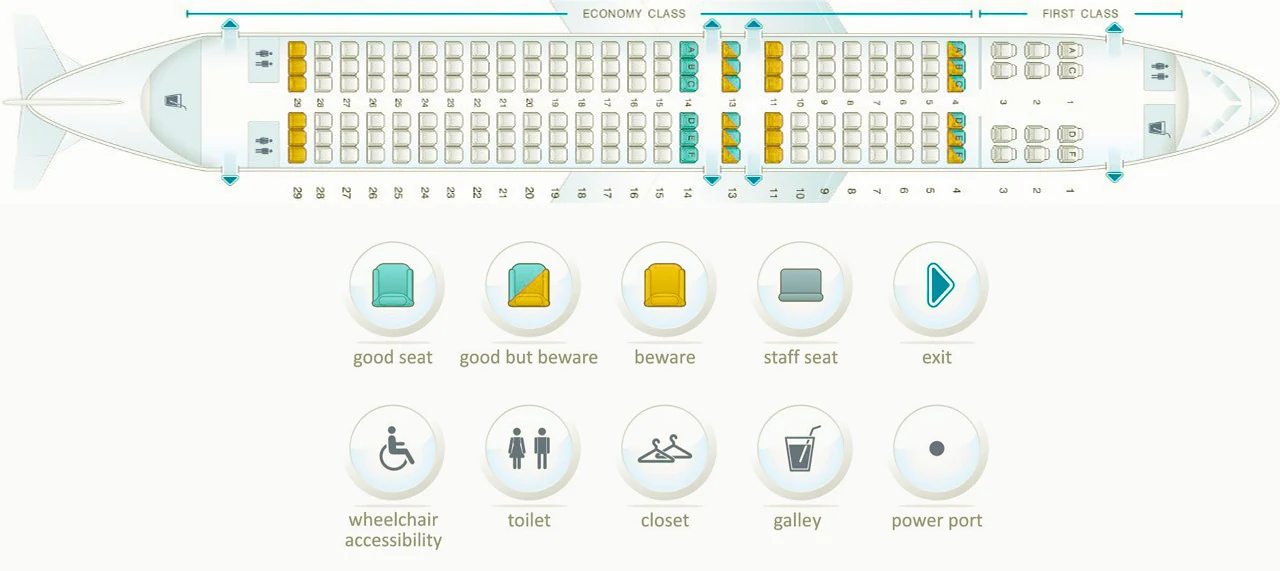
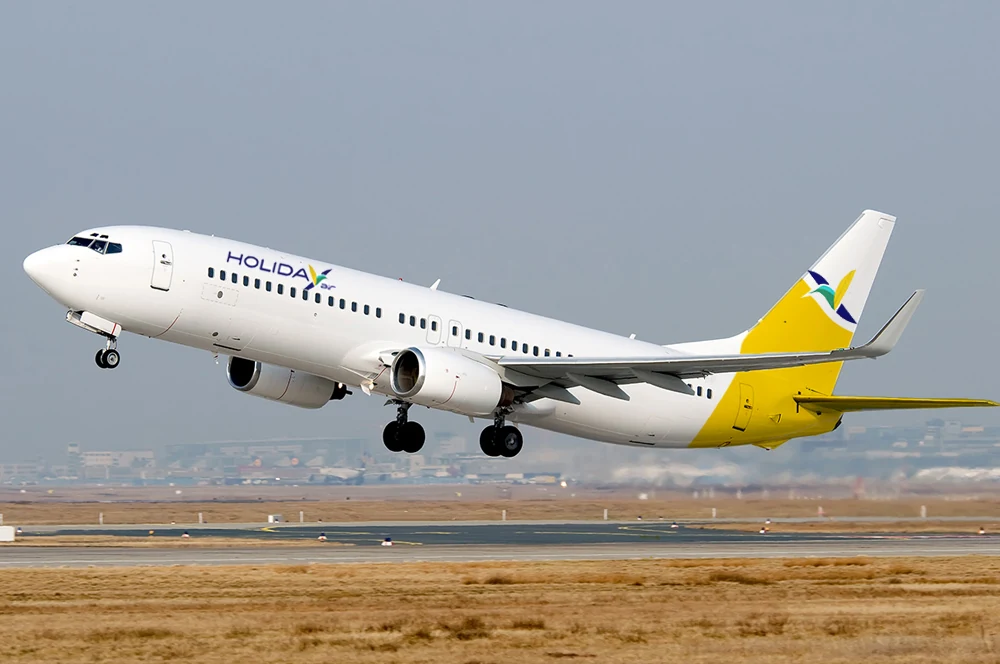
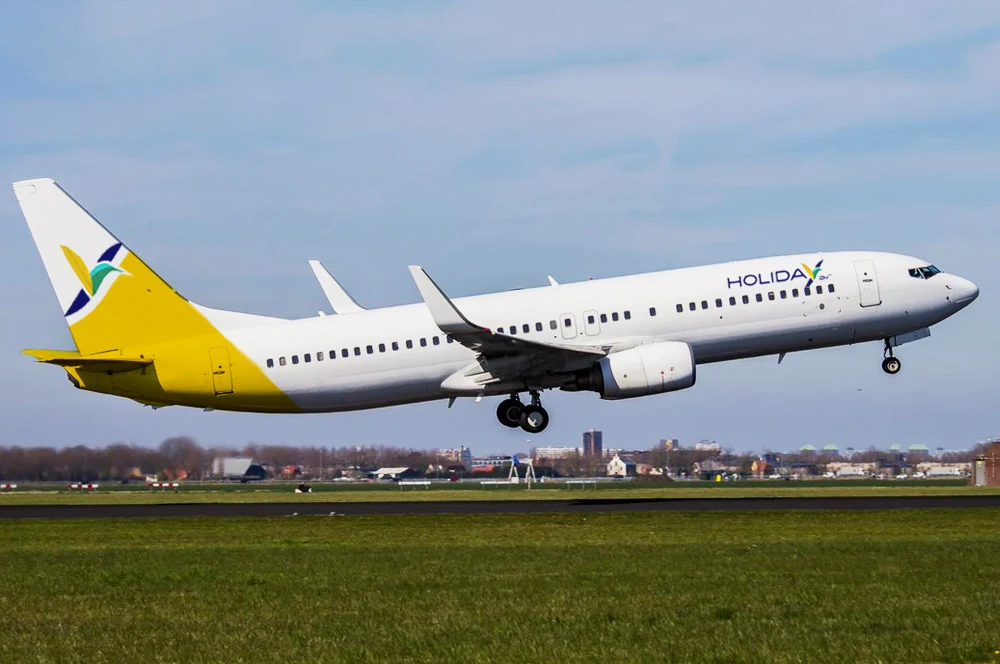
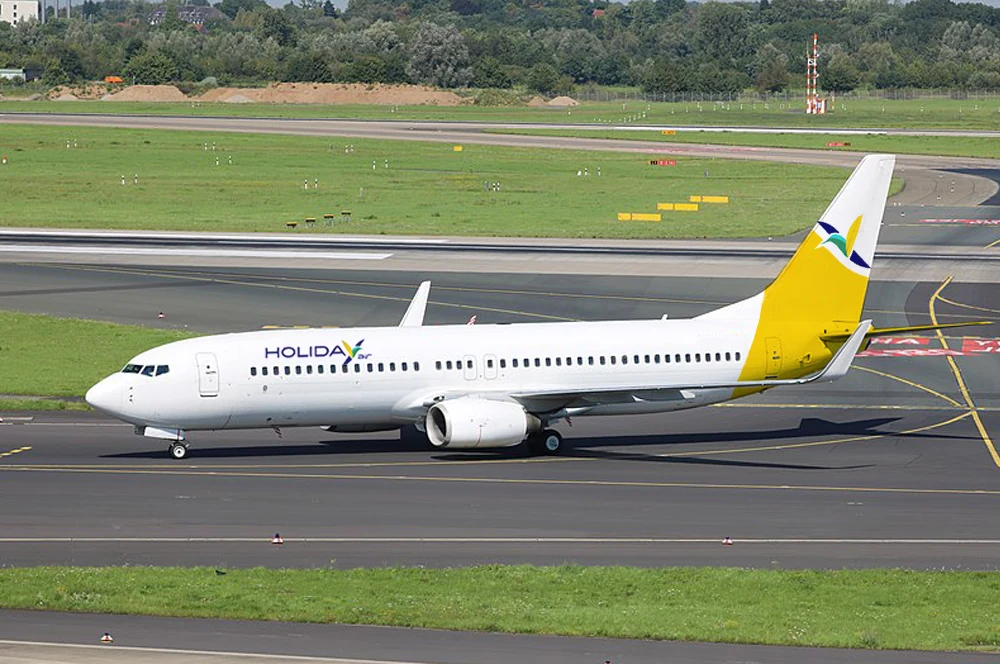
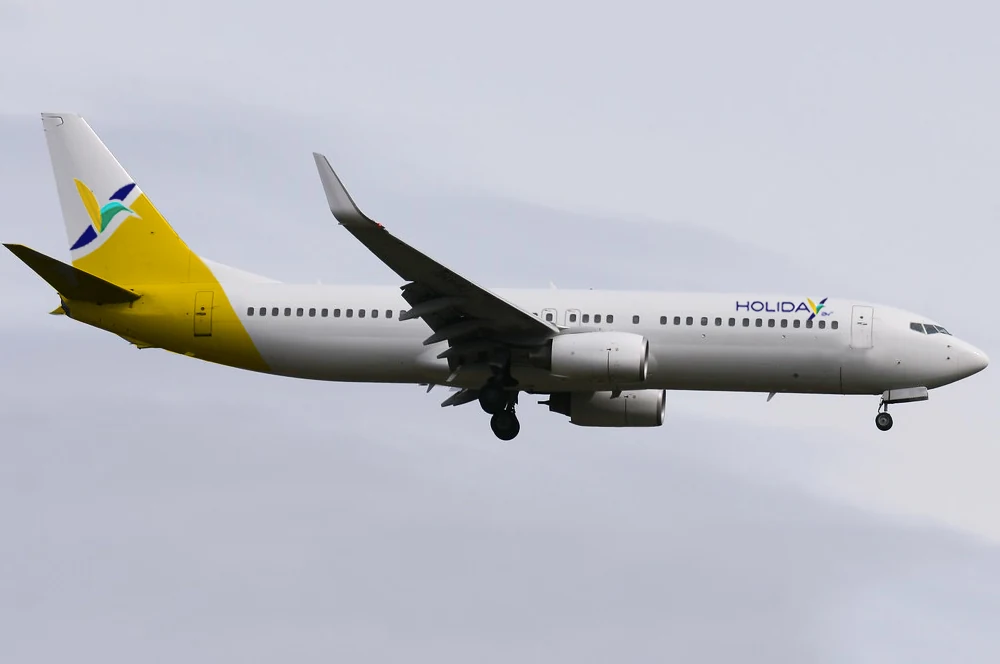
The Boeing 737 Next Generation, commonly abbreviated Boeing 737NG,3 is the name given to the −600, -700, -800 and -900 series of Boeing 737 airliners. It is the third generation derived from the 737, and follows the series 737 Classic (−300/-400/-500), which began production in the 1980s.
They are short- and medium-range narrow-body jet aircraft. Produced since 1996 by Boeing Commercial Airplanes, the 737NG series includes four variants with capacity for between 110 and 210 passengers.
As of the end of December 2017, a total of 6,658 737NG aircraft have been delivered, with more than 7,000 ordered. -600 and -900 have already been completed. The main competition for the 737NG is Airbus’ Airbus A320 family. Improved models with new engines under development, such as the 737 MAX or the Airbus A320neo, will eventually replace the 737NG. As of November 30, 2019, a total of 7,092 Boeing 737NG aircraft have been ordered, of which 7,046 have been delivered, with remaining orders for the -700, -800 and -900ER variants. Boeing stopped assembling passenger 737NG in 2019, but made final deliveries in January 2020. It is succeeded by the fourth-generation Boeing 737 MAX, introduced in 2017.
HOLIDAY AIR · Aircraft information

The Boeing 737 is a short-to medium twin-jet narrow-body airliner. Originally developed as a shorter, lower-cost twin-engine airliner derived from Boeing’s 707 and 727, the 737 has developed into a family of nine passenger models with a capacity of 85 to 215 passengers.
The 737 is Boeing’s only narrow-body airliner in production, with the -700, -800 and -900ER variants currently being built. A re-engine and redesigned version, the 737 MAX, to debut in 2017. Originally envisioned in 1964, the initial 737-100 flew in 1967 and entered airline service in February 1968.
Next, the lengthened 737-200 entered service in April 1968. In the 1980s, Boeing launched the -300, -400 and -500 models, subsequently referred to as the Boeing 737 Classic series. The 737 Classics added capacity and incorporated CFM56 turbofan engines along with wing improvements. In the 1990s Boeing introduced the 737 Next Generation with multiple changes including a redesigned wing, upgraded cockpit and new interior.
The 737 Next Generation comprises the four -600, -700, -800 and -900ER models, ranging from 102 ft (31.09 m) to 138 ft (42.06 m) in length. Boeing Business Jet version of the 737 Next Generation are also produced.
HOLIDAY AIR · Aircraft information

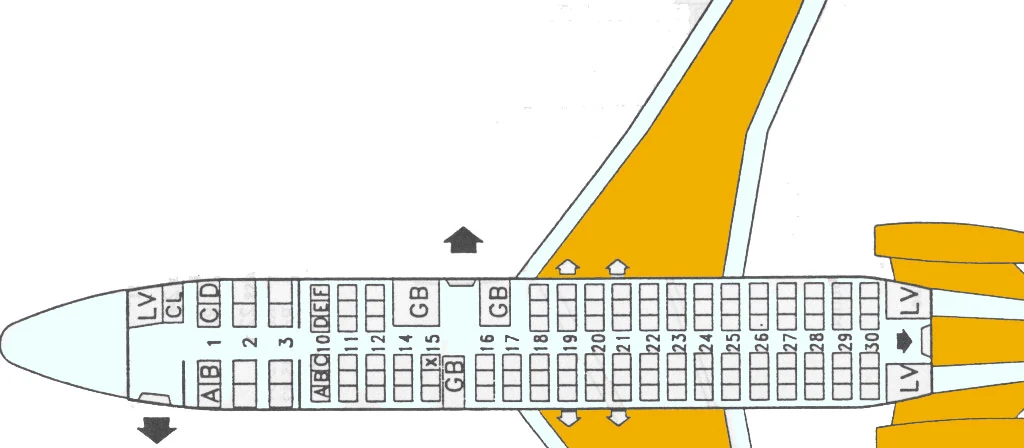
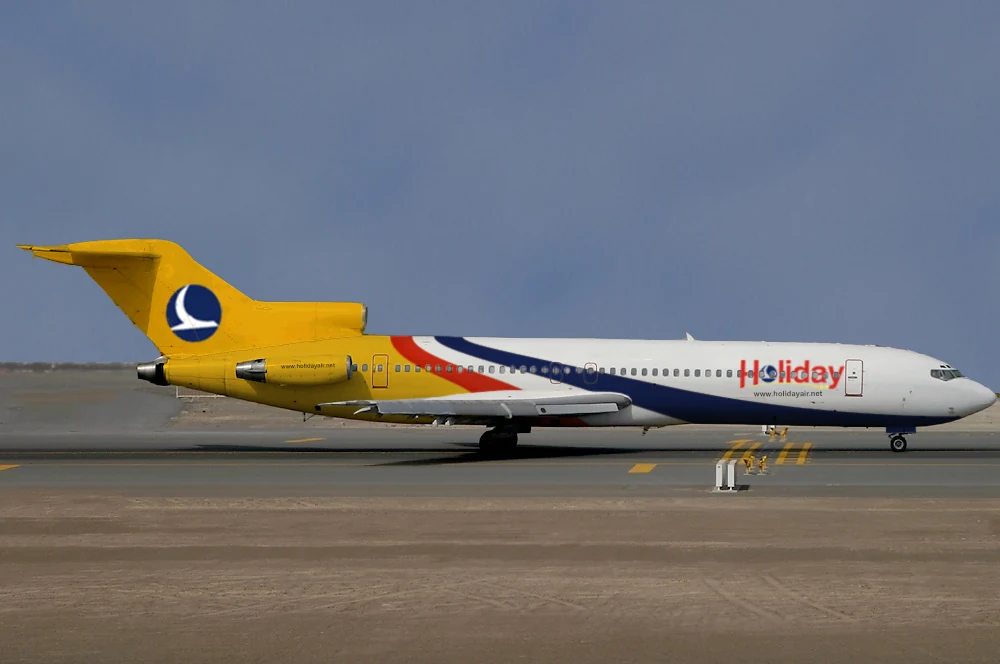
The Boeing 727 is a mid-size narrow-body three-engine jet aircraft built by Boeing commercial Airplanes. It can carry 149 to 189 passengers and later models can fly up to 2,400 to 2,700 nautical miles (4,400 to 5,000 km) nonstop. Intended for short and medium-length flights, the 727 can use short runways at smaller airports. It has three Pratt & Whitney JT8D engines below the T-tail, one on each side of the fuselage, with a center engine that connects through an S-duct to an inlet at the base of the fin. The 727 is Boeing’s only trivet aircraft. The 727 followed the 707 quad-jet airline, with which it shares its upper fuselage cross-section and cockpit design. The 272-100 first flew in February 1963 and entered service with Eastern Air Lines in February 1964; the stretched 727-200 flew in July 1967 and entered service with Northeast Airlines that December. The 727 became a mainstay of airlines domestic route networks and was also used on short-and medium-range international routers. Passenger freighter and convertible versions of the 727 were built. The 727 was heavily produced into the 1970s; the last 727 was completed in 1984. In July 2011, 23 727-100s and 227 727-200s were in airline service. Airport noise regulations have led to 727s being equipped with hush kits.
HOLIDAY AIR · Aircraft information

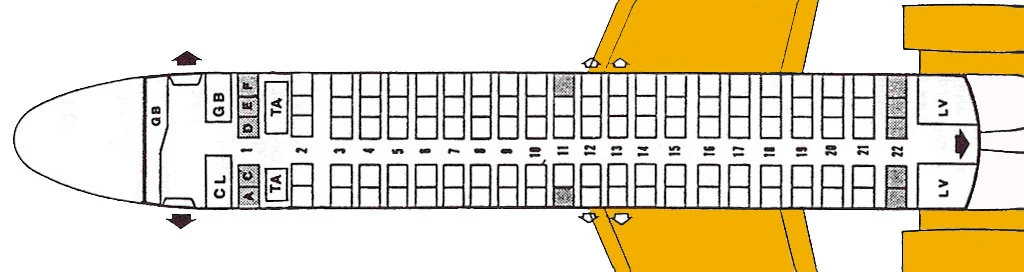
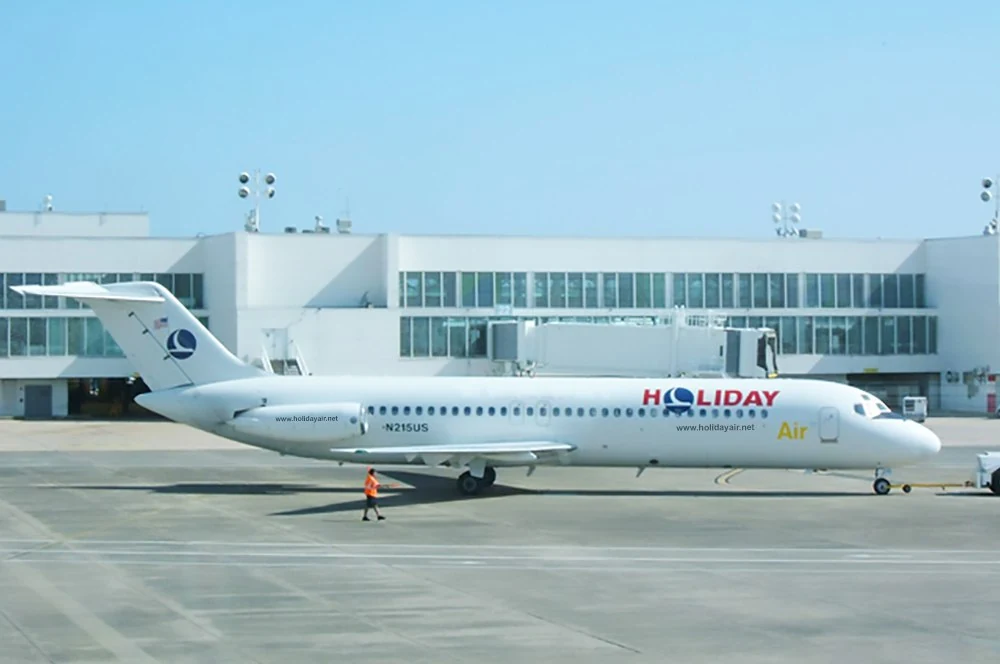
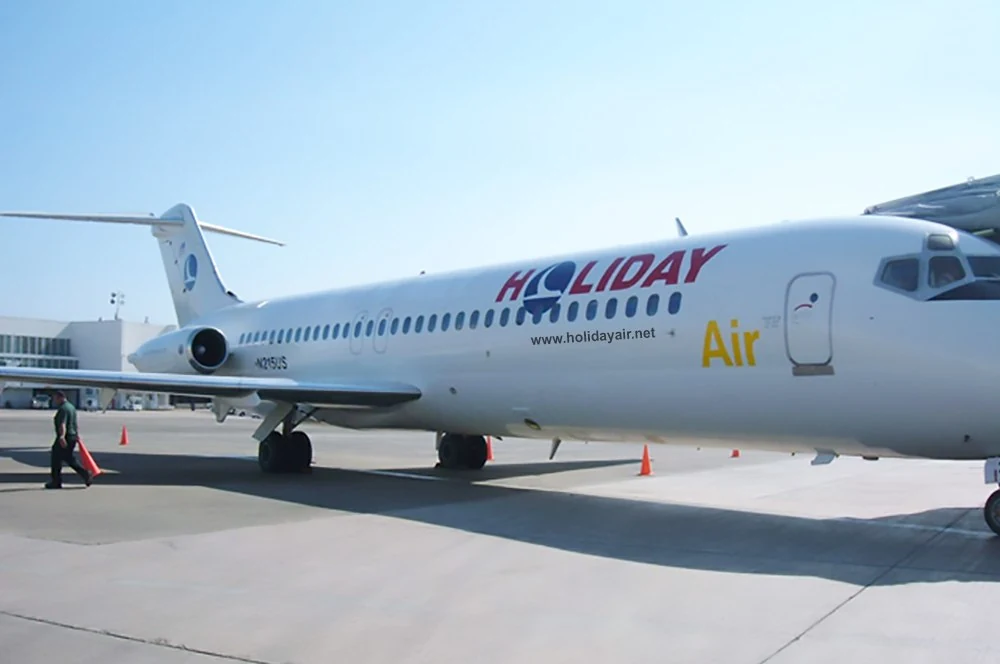
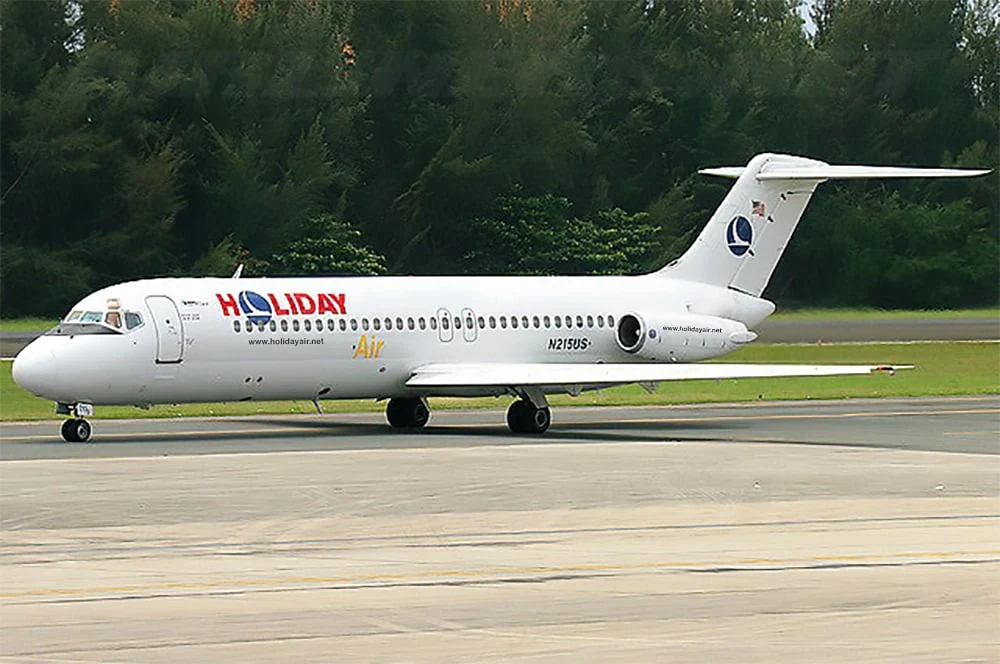
The DC – 9 was designed specifically to operate from short runways and on short – to medium-range router so that the speed, comfort, and reliability of jet transportation could be extended to hundreds of communities previously served only by propeller-driven airliners.
Smaller than he Dc – 8, the trim DC – 9 has a distinctive high-level horizontal stabilizer atop the rudder, commonly called a “T” tail. Two engines mounted on the aft fuselage power the aircraft at cruising speeds exceeding 500 mph (800 km/h) and altitudes over 30,000 feet (9,144 m).
Design, development, and production of the DC – 9 was centered in Long Beach, Calif., at what is now the Long Beach Division of Boing Commercial Airplanes, where 976 of the twin jets were built during an 18 – year production run. The first flight was Feb 25, 1965; the final DC – 9 was delivered in October 1982.
 EN
EN Español